

AI at the Point of Care
That is where artificial intelligence stands the most immediate chance of making a difference in veterinary medicine. Not in replacing the diagnostic expertise at the end of the pipeline, but in improving the quality of what enters it.

Beyond Lymphocytic-Plasmacytic IBD: Recognizing Eosinophilic Enteritis at Surgery
Sections of small intestinal wall revealed a marked eosinophilic infiltrate throughout the lamina propria. Eosinophils were present in high numbers in all sections examined, with infiltration extending into the crypts and disrupting the normal crypt architecture in areas. Villous blunting and crypt irregularity were present, consistent with chronic mucosal injury. The degree of eosinophilic infiltration was inconsistent with a reactive response to the foreign body alone — the distribution and severity indicated a pre-existing, active inflammatory process.

Encephalitozoon cuniculi in Rabbits: A Pathogen Your Patients Are Likely Already Carrying
E. cuniculi sits in a diagnostically uncomfortable position: it is common enough to be a reflex differential in almost any sick rabbit, but the available antemortem diagnostics are imprecise enough that a positive titer is often adjunctive rather than confirmatory. Understanding the pathology underlying clinical presentations — and what histopathology can and cannot contribute — is essential for navigating these cases well.

Flow Cytometry for Lymphoma Immunophenotyping in Dogs and Cats: An Underutilized Tool
…flow cytometry remains underutilized in general practice. The purpose of this post is to explain what it does, what it does not do, and when it should be part of your diagnostic plan.
Mammary Carcinoma in a Male Cat: A Diagnosis Worth Not Missing
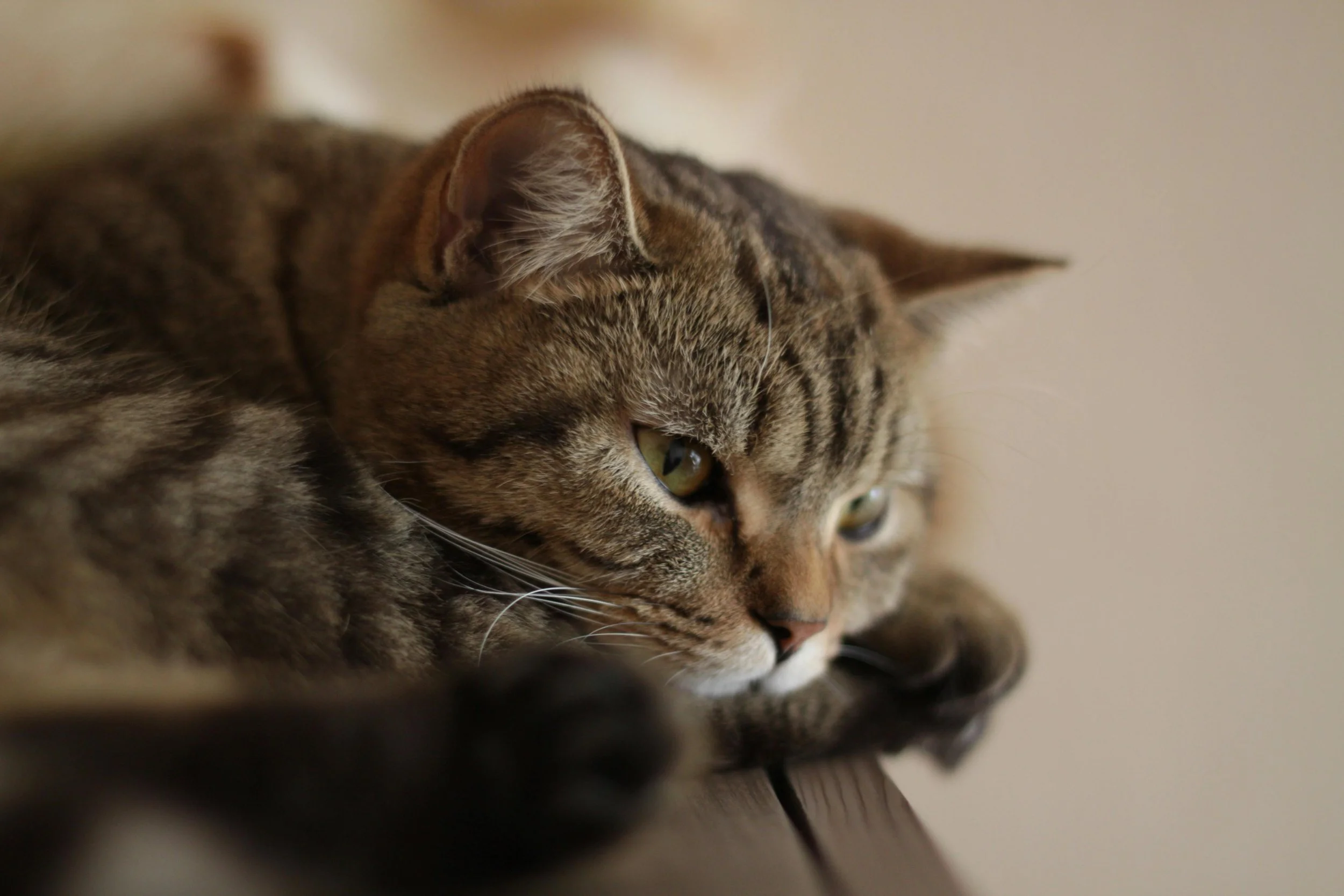
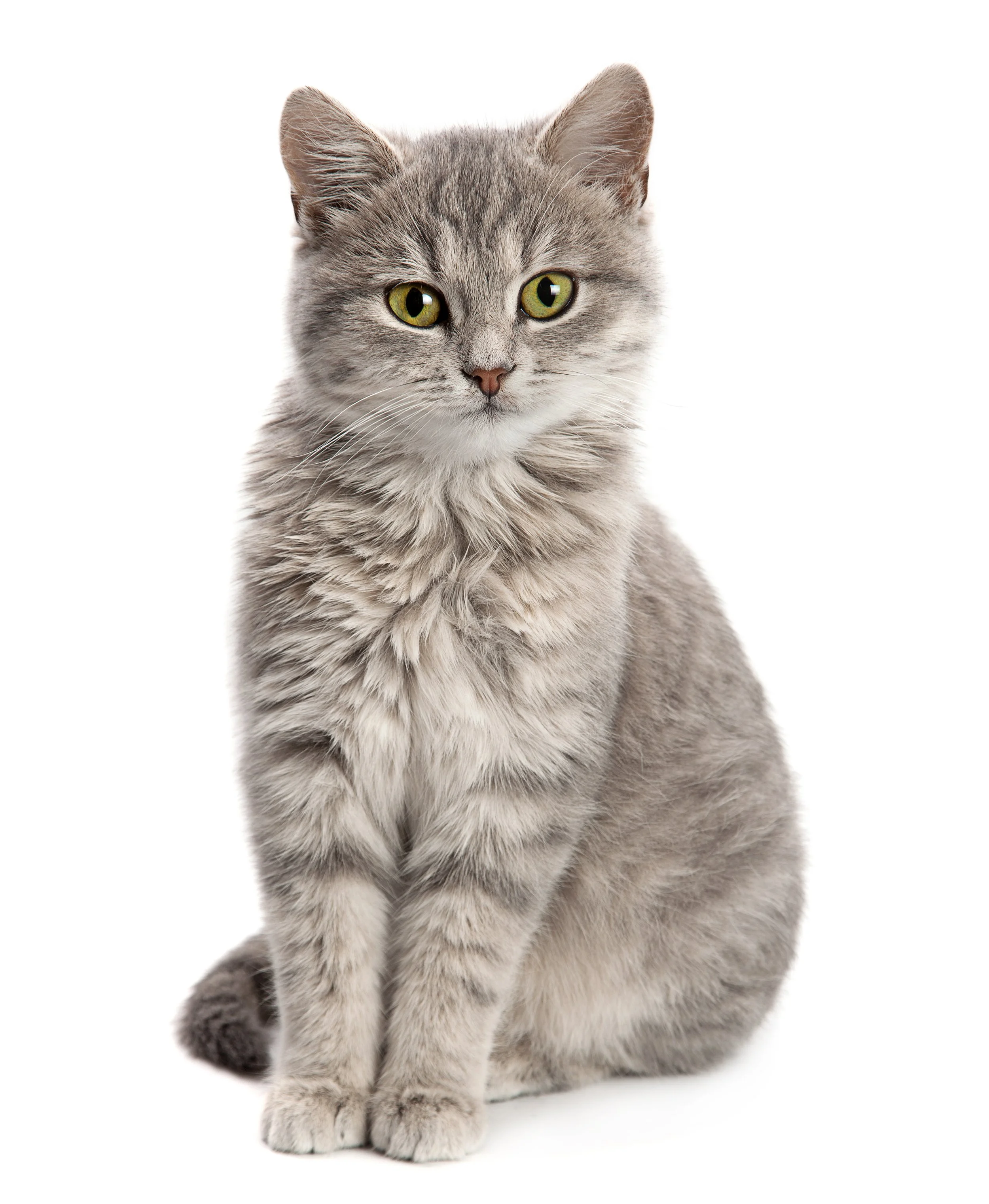
Male cats can develop mammary carcinoma. The diagnosis should be on the differential list for any mammary region mass in a male cat, regardless of neuter status. Given that the vast majority of feline mammary tumors are malignant, histopathology is not optional — cytology alone is unreliable for distinguishing benign from malignant mammary lesions in cats.
Feline Injection-Site Sarcoma: Revisiting Pathogenesis in the Light of Current Evidence
And yet, more than three decades later, the pathogenesis of FISS remains incompletely understood. The broad strokes are established: chronic local inflammation at an injection site appears to trigger malignant transformation of fibroblasts or myofibroblasts in genetically susceptible cats. But the molecular details — what drives that transformation, why only certain cats develop it, and which specific pathways sustain tumor growth — are still being worked out.

NGS in Veterinary Oncology: What's Commercially Available Now and Where It's Headed
…next-generation sequencing (NGS) has arrived in veterinary medicine, but it remains in early clinical adoption, the available assays are almost exclusively validated for dogs, and these tools work best as an adjunct to histopathology rather than a replacement for it. This post offers an honest overview of where things stand today — what you can actually order, what the evidence shows, and where the field is likely headed.

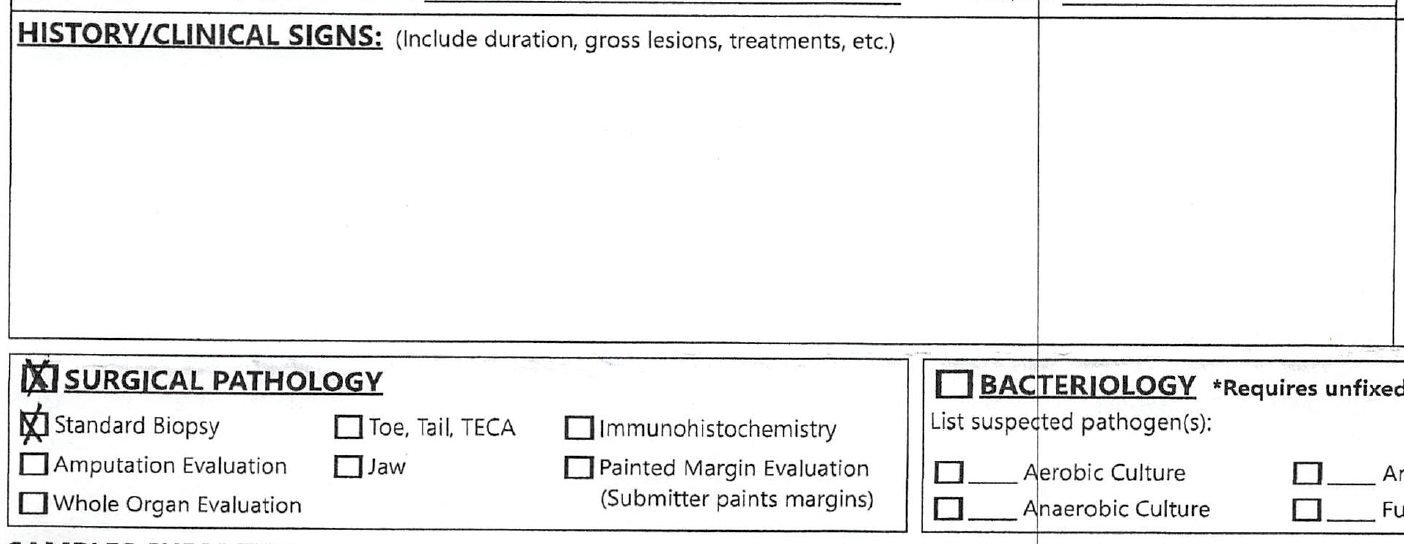
Why Skin Punch Biopsies Come Back “Non-Diagnostic” — And How to Improve Your Diagnostic Yield
Inflammatory and early neoplastic processes can be patchy.
Submitting a single punch biopsy for generalized dermatologic disease significantly reduces diagnostic confidence.