
Cytology Slide Preparation: The Technique Decisions That Decide Whether Your Sample Is Diagnostic
Cytology's speed advantage disappears the moment a heavy-handed smear or a stray formalin fume turns the sample into "quality precludes interpretation." Here's what actually separates a diagnostic slide from a wasted one — from needle gauge to shipping.
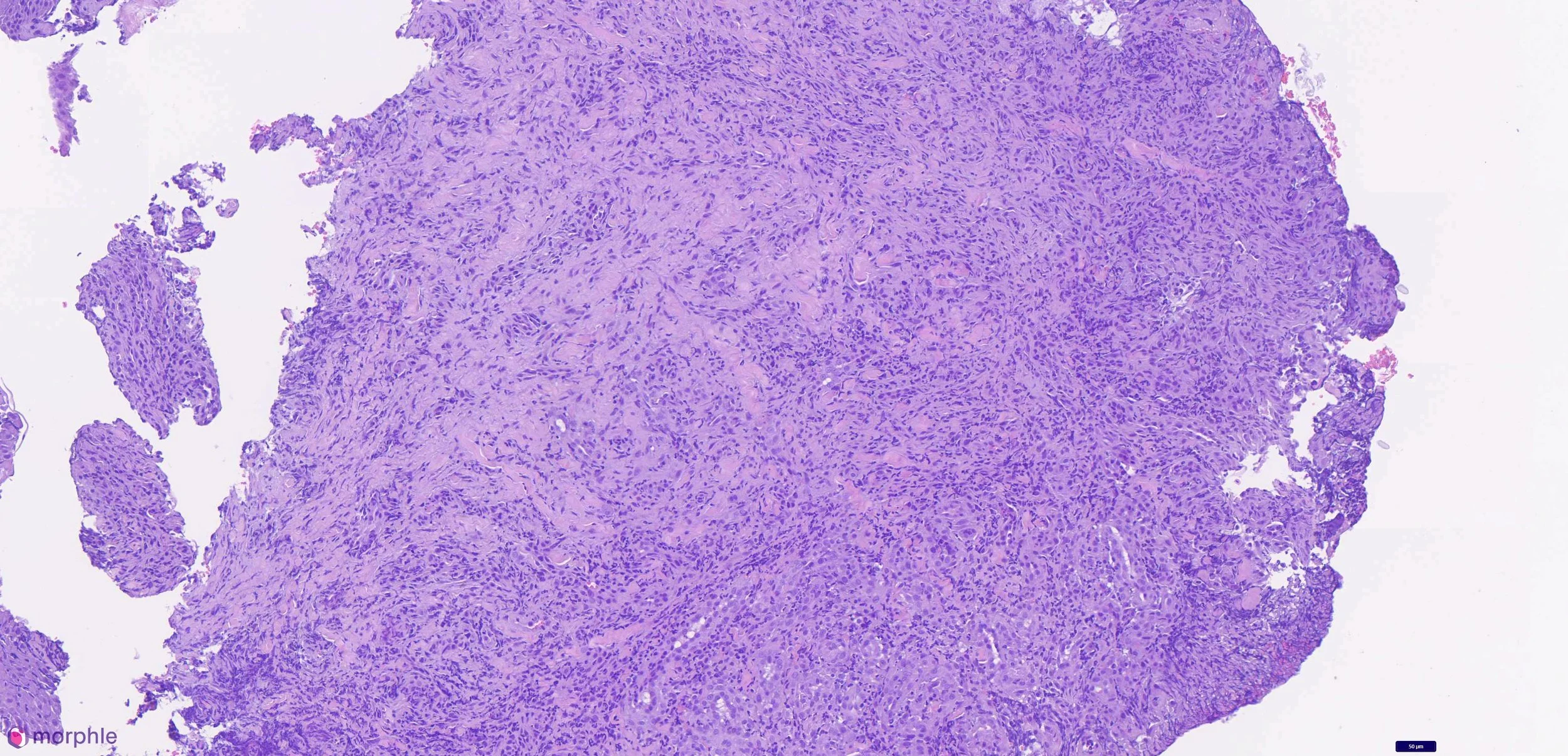
A 2 cm Buccal Mucosa Mass, Tooth 309, and What Pyogenic Granuloma Actually Is
A 13-year-old cat stopped chewing on one side of its mouth. The cause was a 2 cm, ulcerated mass on the buccal mucosa, sitting exactly where the opposing molar would strike it on every bite — and exactly the kind of finding that starts an oral cancer workup. Histopathology told a different, far more treatable story.
Canine Lymphoma Isn't One Disease: What the WHO Classification Actually Changes
"Lymphoma" tends to function as a single-word diagnosis in the exam room — and it sounds like one disease with one prognosis. It isn't. More than twenty WHO-recognized subtypes range from chemo-responsive to genuinely indolent to aggressive despite looking deceptively low-grade. The subtype is what should be driving the conversation.

PARR Testing in Feline Gastrointestinal Disease: When Is It Truly Helpful?
Lymphoplasmacytic enteritis. Small cell lymphoma cannot be excluded. Before reaching for PARR to resolve that uncertainty, the more reliable fix is often sampling depth and distribution — not PCR. A practical guide to when clonality testing actually moves the needle in feline GI disease.
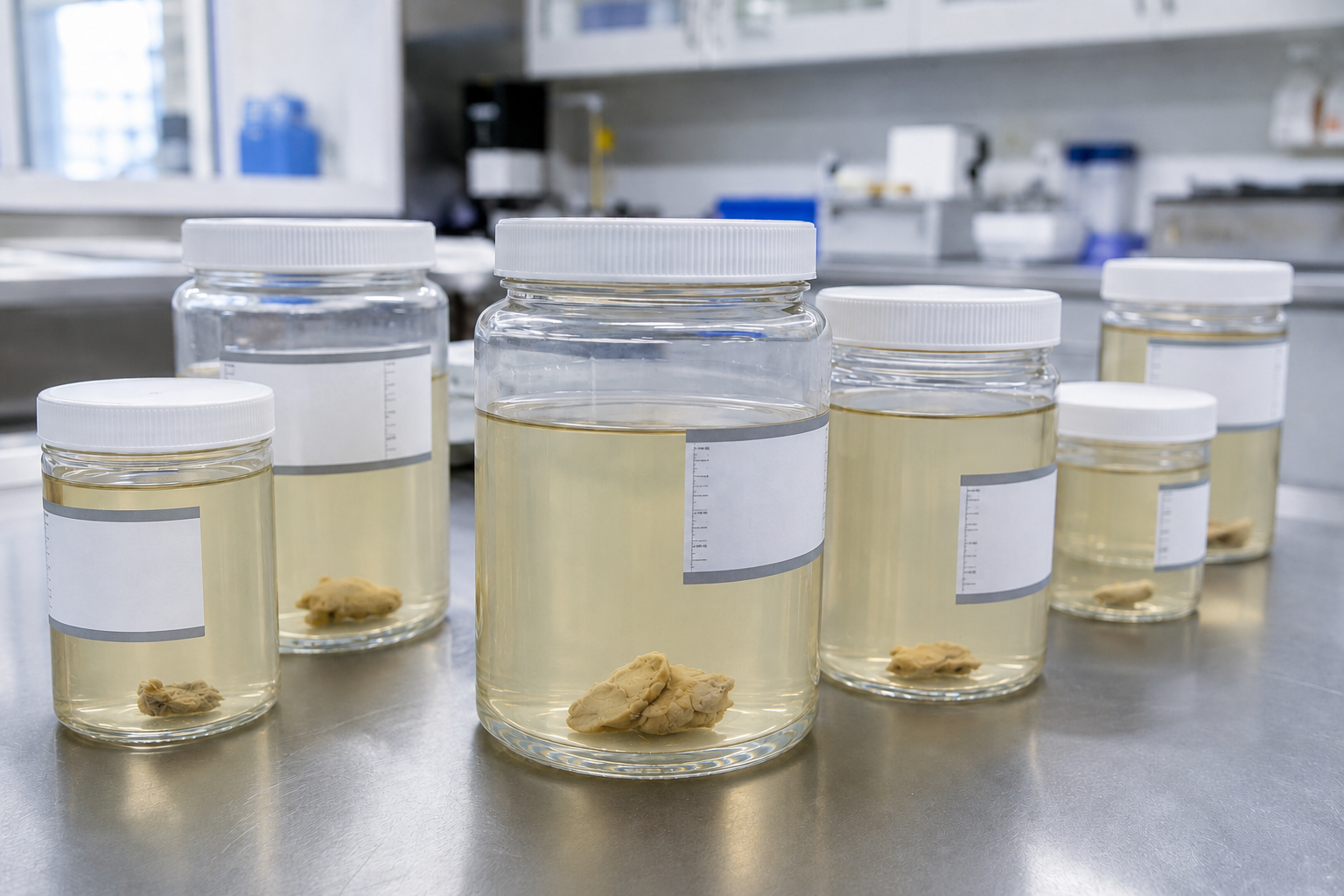
Formalin Fixation: Getting It Right Before the Tissue Reaches the Laboratory
Fixation quality is the one pre-analytical variable entirely within a clinician's control — and it's the single biggest driver of report quality. The 10:1 ratio, correct sectioning, and the species-specific exceptions that separate diagnostic tissue from artifact.
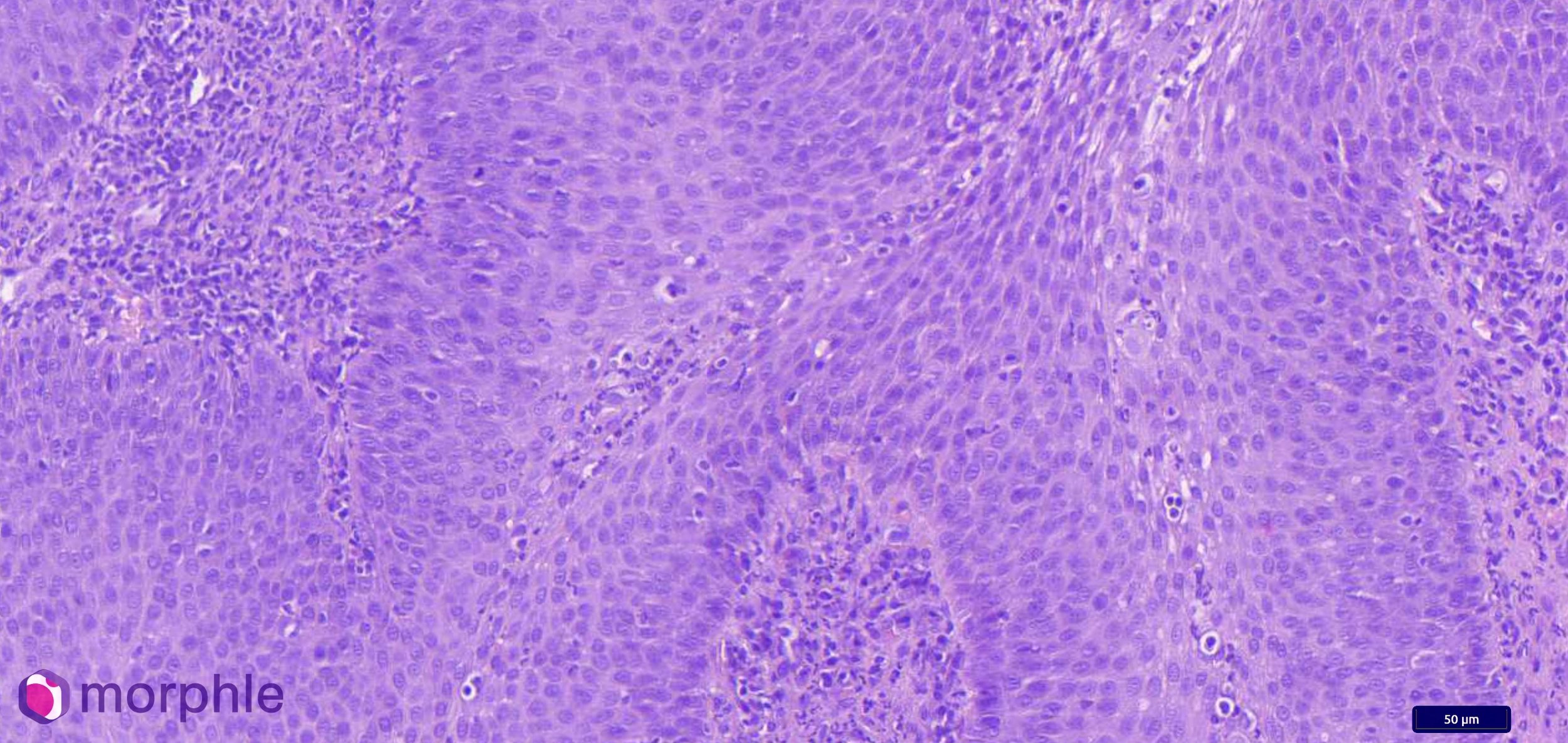
When CAA Isn't CAA: A Second Opinion Case of Oral Papillary Squamous Cell Carcinoma
The original diagnosis was acanthomatous ameloblastoma. The correct diagnosis was oral papillary squamous cell carcinoma. The surgical plan was the same — but the prognosis conversation, the staging workup, and the owner discussion were entirely different.
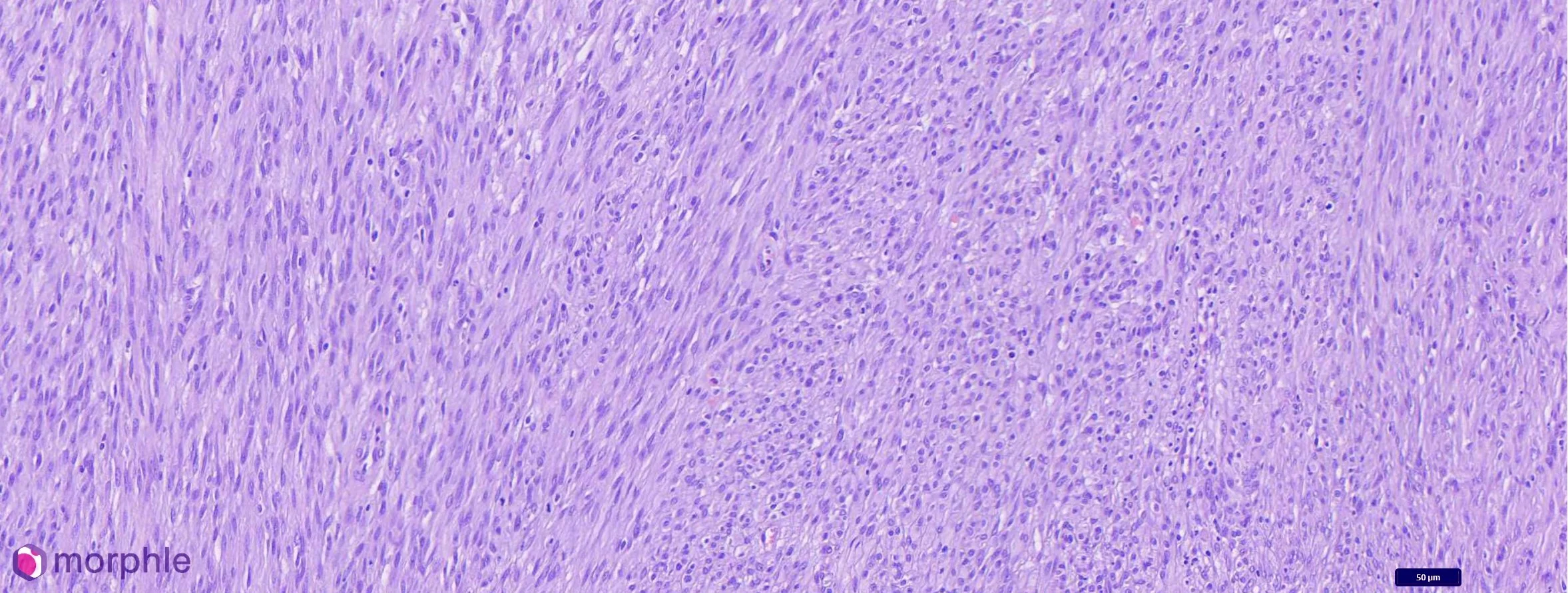
Soft Tissue Sarcomas: What the Category Includes, What the Grade Means, and Why Subtype Often Cannot Be Determined
Soft tissue sarcoma isn't a single diagnosis — it's a category that includes PNST, fibrosarcoma, leiomyosarcoma, myxosarcoma, and more. Here's what the category includes, what the grade actually measures, and why your report may not name a specific subtype.
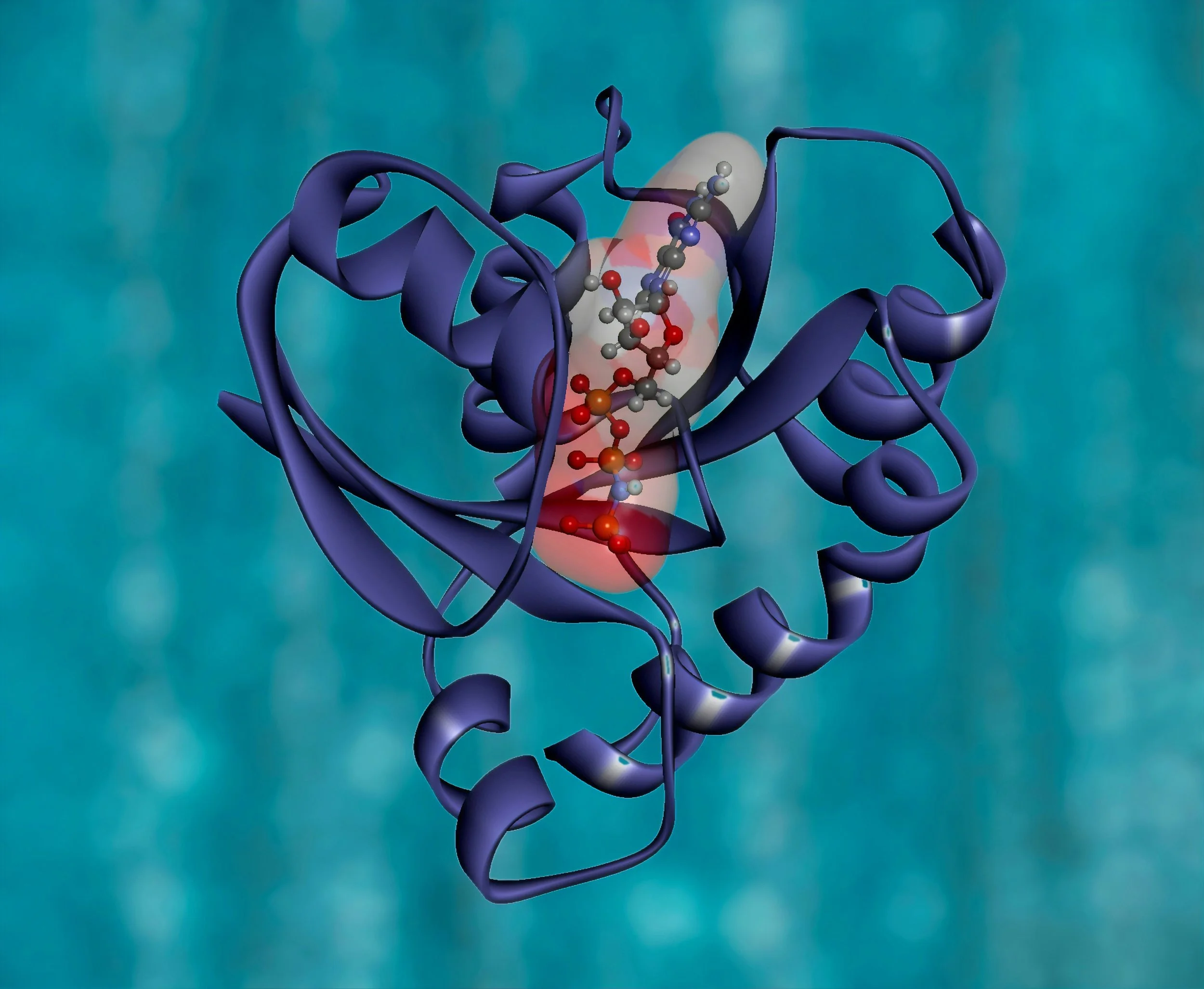
Epigenomics in Veterinary Cancer: What Sits Between the DNA and the Diagnosis
Genomics tells you the sequence. Proteomics tells you what's being made. Epigenomics tells you what's being allowed to happen — and what's being silenced. Here's what that means for veterinary cancer biology.

Tired of Hedging in Your Pathology Reports? Here's What to Do About It
If your pathology reports frequently say 'consistent with' or 'cannot exclude,' the tissue isn't the problem. The context is. Here's what to include to get a more definitive answer.
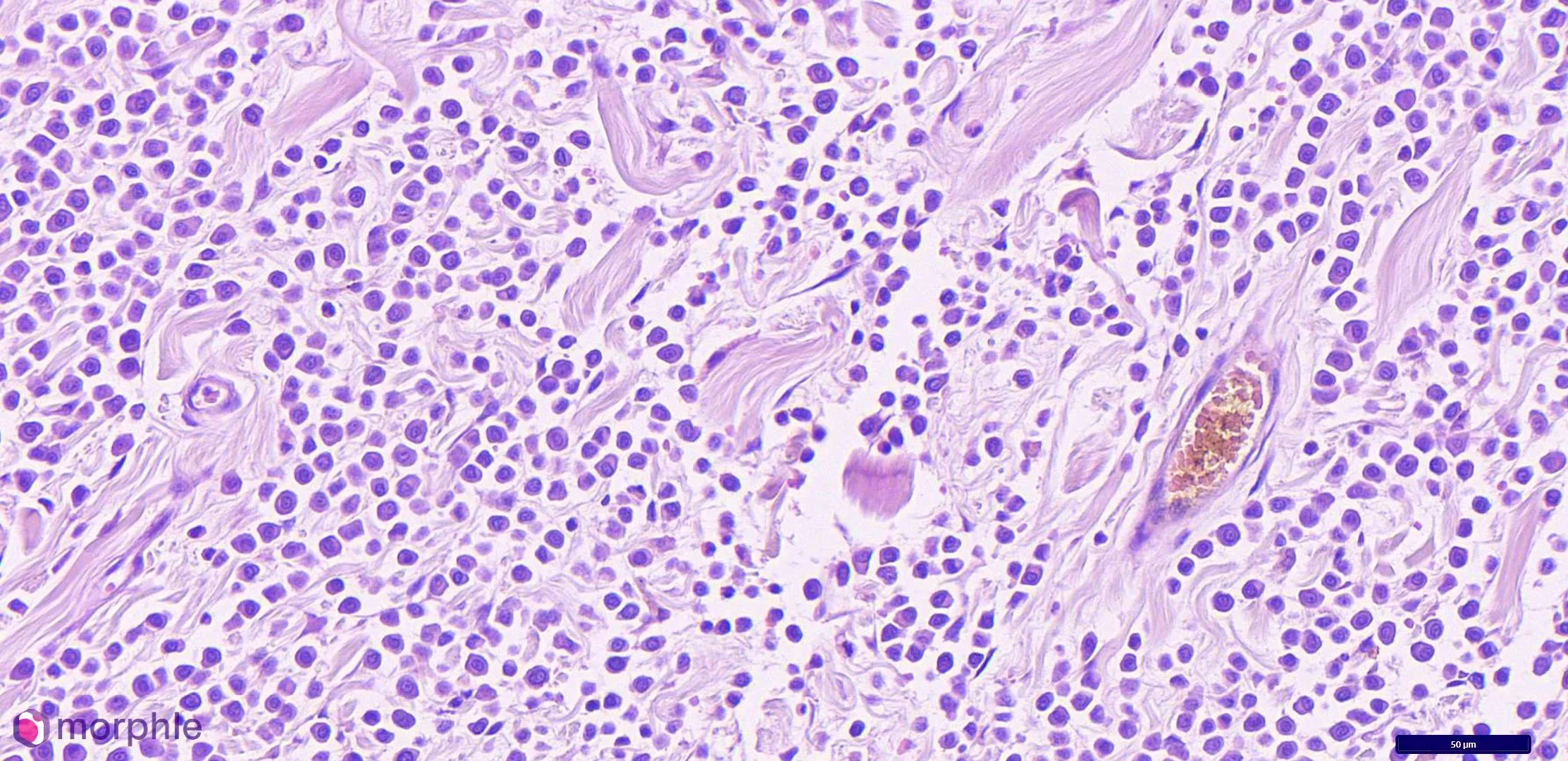
Canine Mast Cell Tumor Grading: Understanding the Two Systems and What Your Report Is Actually Telling You
Canine MCT grading has improved significantly since 1984. It is still imperfect. Grade I MCTs can metastasize. Kiupel low-grade tumors can behave aggressively. A plain-language breakdown of both systems — and where AI grading might take us next.
Proteomics in Veterinary Oncology: A Deeper Look at What Tumors Are Actually Doing
Genomics tells us what mutations a tumor carries. Proteomics tells us what the tumor is actually doing with them. A look at where proteomics stands in veterinary oncology today — and where it's going.
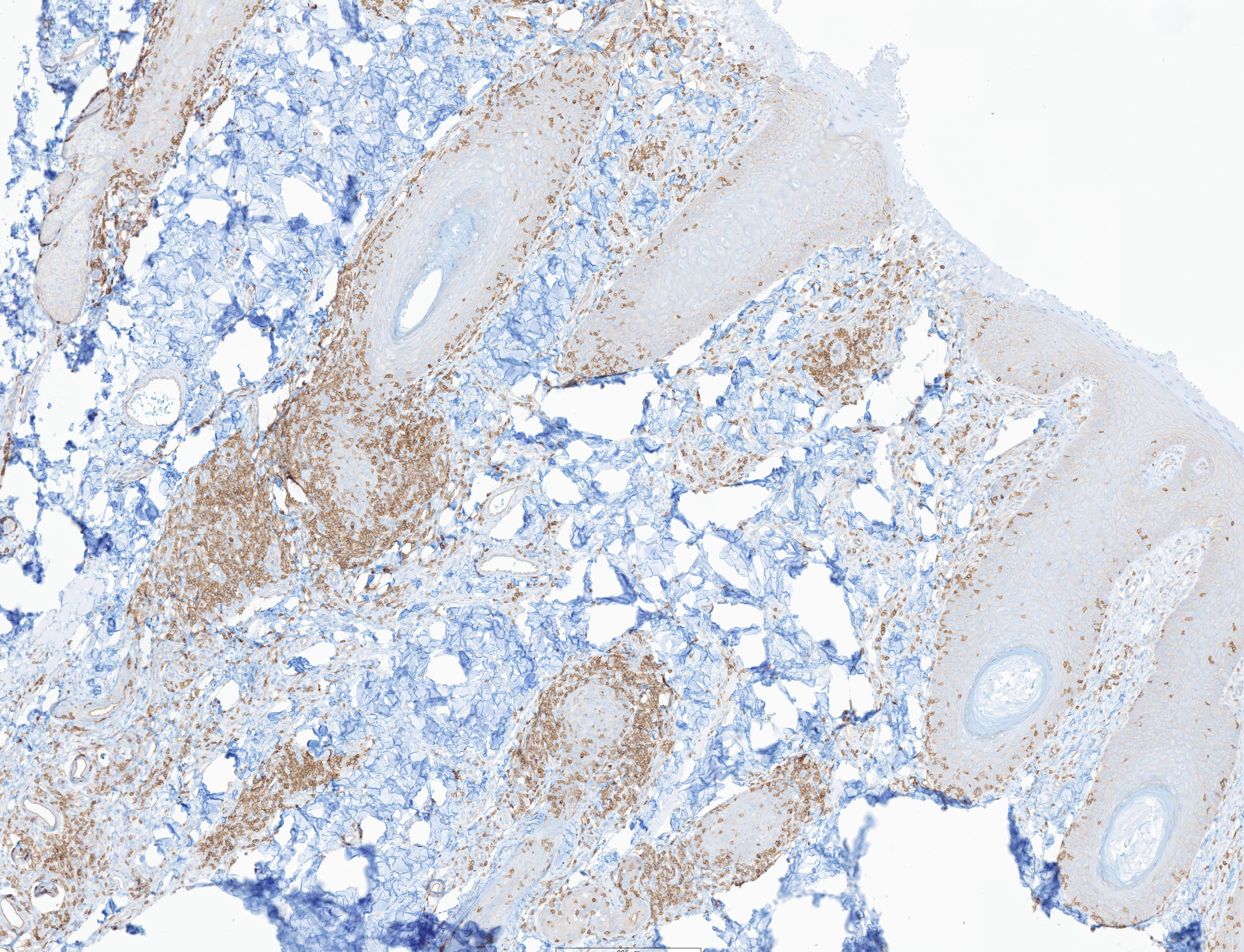
Special Stains vs. Immunohistochemistry: What They Are and When Your Pathologist Uses Each
When your pathology report recommends additional testing, it's either chemistry or antibodies — and the choice between them tells you a lot about what question the case is raising.
Acanthomatous Ameloblastoma: When the Margins Tell the Real Story
Canine acanthomatous ameloblastoma doesn't metastasize. The entire prognosis lives in the surgical margin — and this case shows exactly why that number needs context to mean anything.
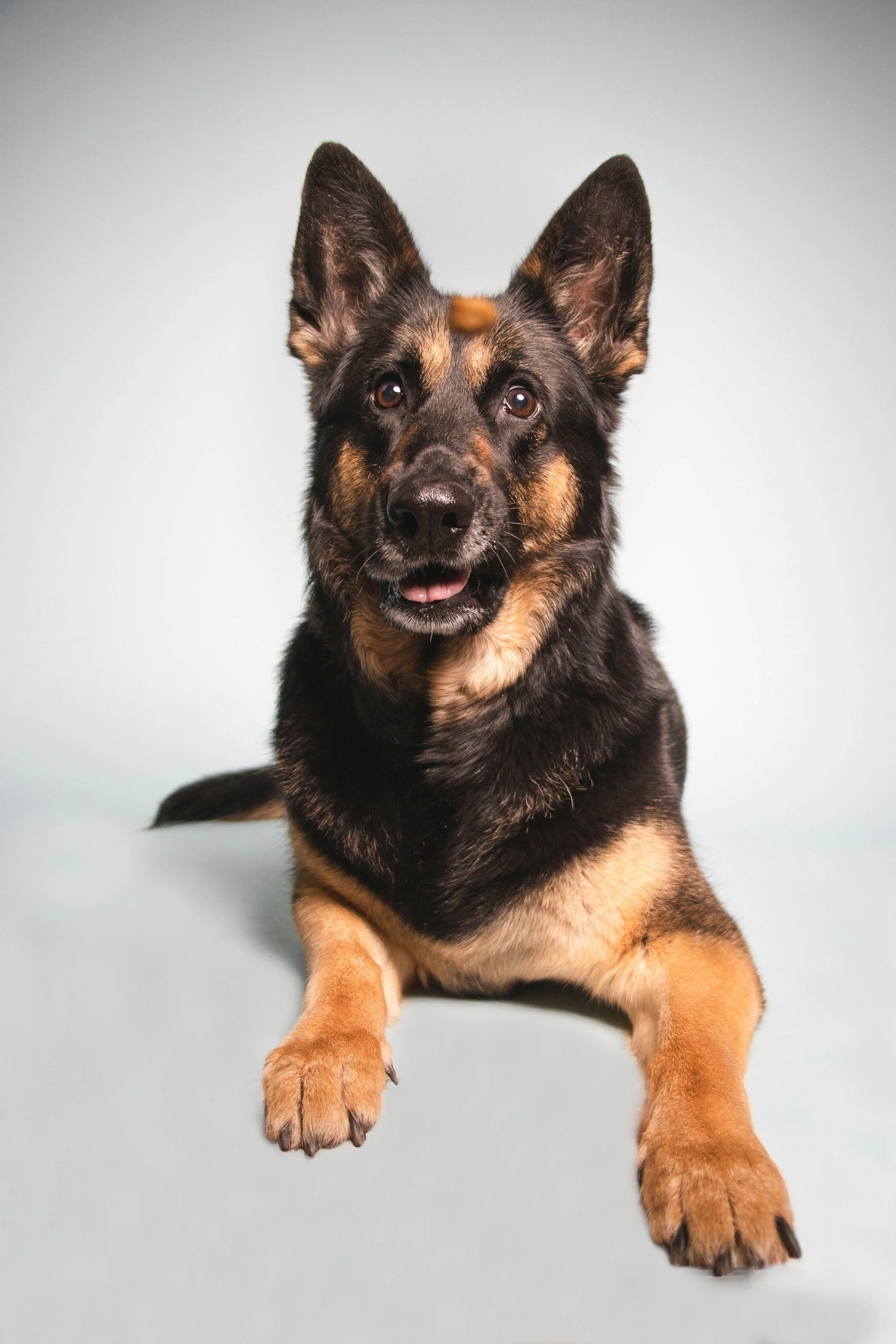
Nodular Dermatofibrosis and Renal Cystadenocarcinoma: Recognizing a Skin Lesion That Points Inward
Multiple firm nodules on a German Shepherd's legs have a differential list. Nodular dermatofibrosis should be on it — because the diagnosis it points to is bilateral renal cystadenocarcinoma

Liquid Biopsy and Circulating Tumor DNA: Where Veterinary Oncology Diagnostics Are Headed
Liquid biopsy is here. The question is no longer whether it has a role in veterinary oncology — it's understanding what that role is today and where it's going in the next few years.
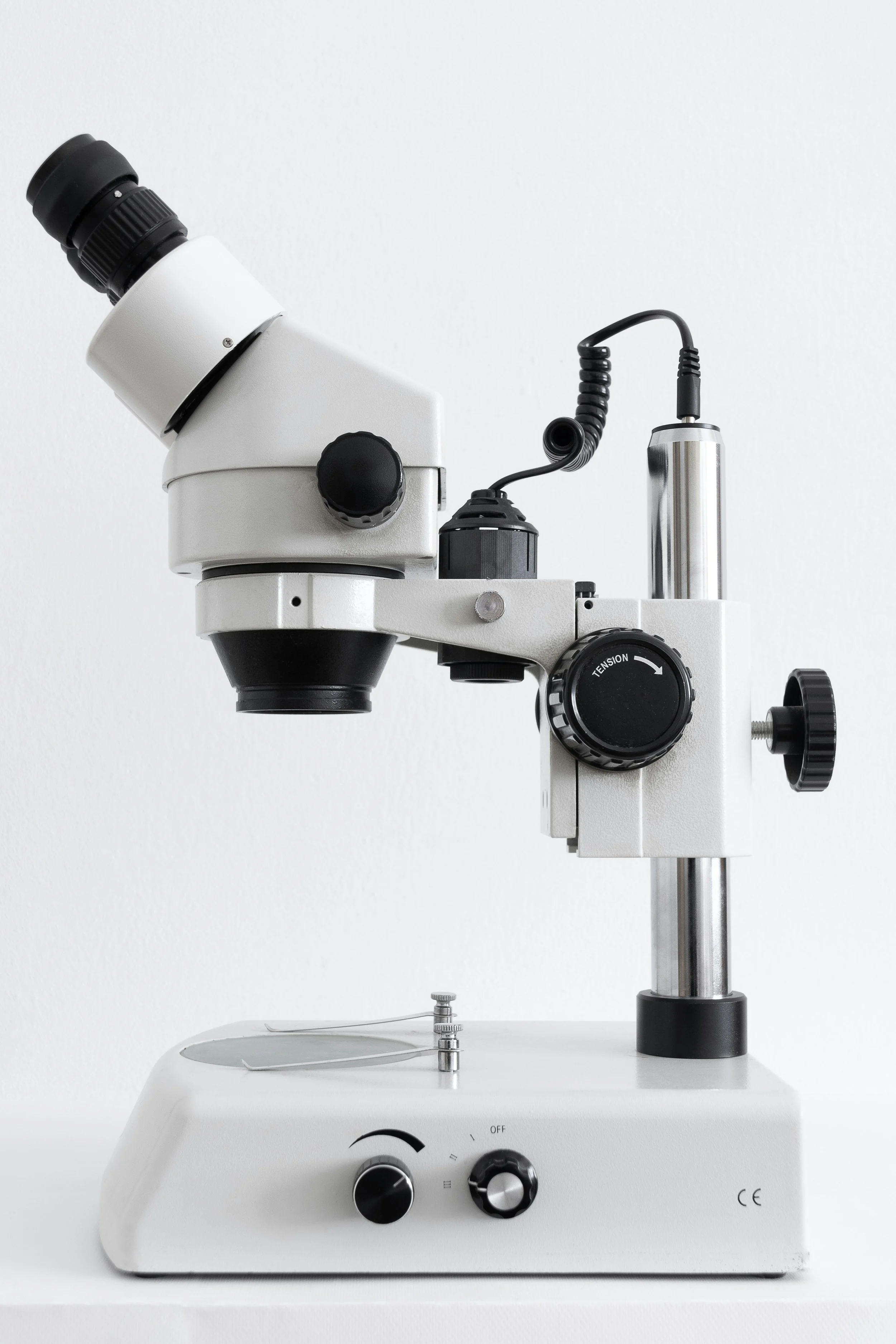
Necropsy Submissions: How to Maximize Diagnostic Yield
A step-by-step guide for veterinarians performing necropsies: how to handle carcasses, select and fix tissue, collect ancillary samples, and document findings so the histopathology report is as complete as possible
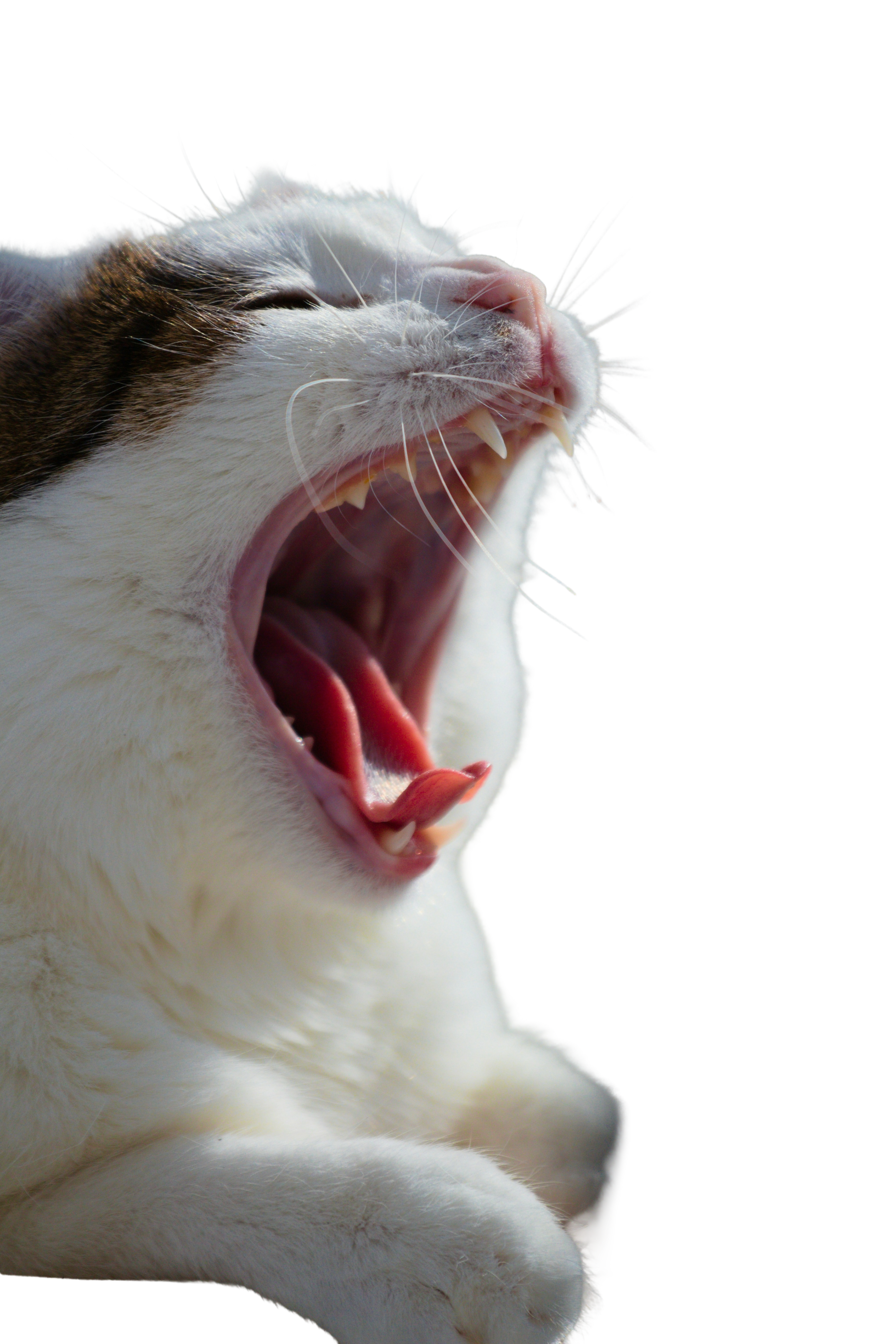
Feline Oral Squamous Cell Carcinoma: Why the Prognosis Is So Poor and What Histopathology Actually Contributes
FOSCC accounts for 60–70% of feline oral tumors and carries a uniformly poor prognosis. A board-certified veterinary pathologist explains the histologic features, bone invasion biology, and what a complete pathology report should communicate to your surgical team.
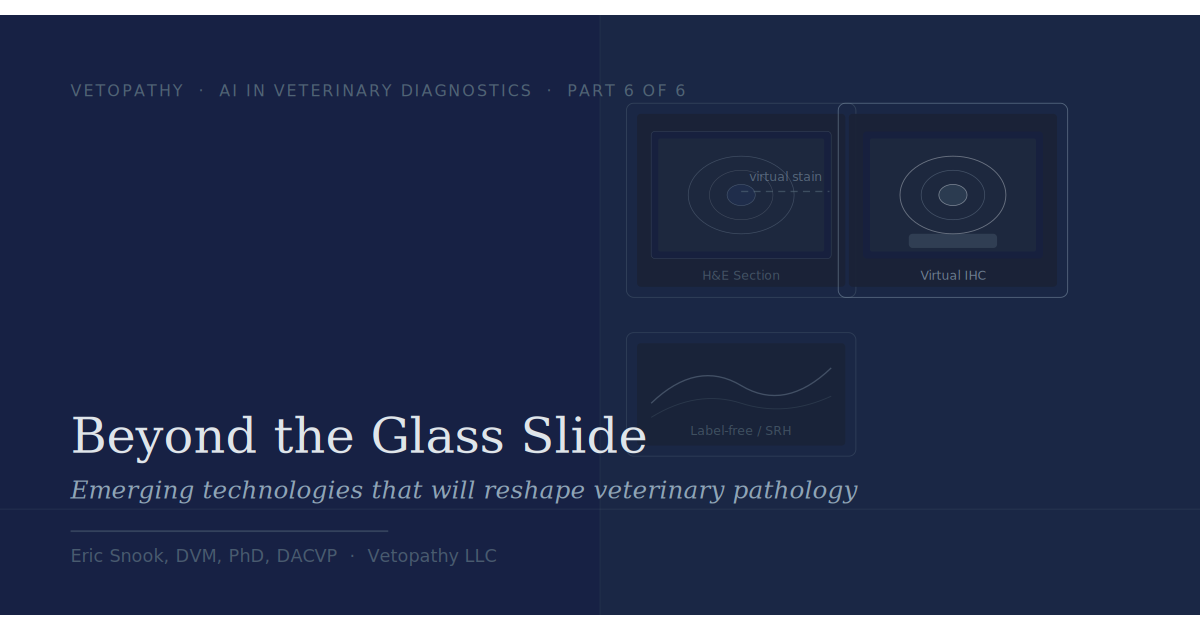
Beyond the Glass Slide: Emerging Technologies That Will Reshape Veterinary Pathology
The histopathology workflow has been essentially unchanged for decades. Two emerging technologies — virtual staining and label-free imaging — represent something genuinely different. Neither is ready for routine veterinary use yet. Both are worth understanding now.
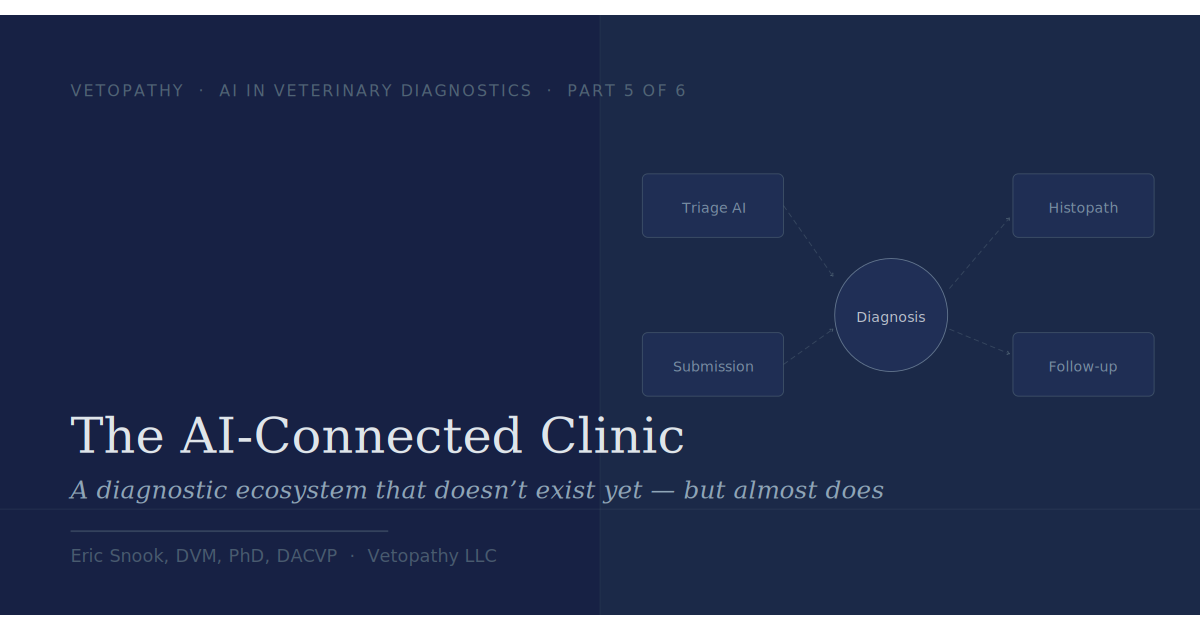
The AI-Connected Clinic: A Diagnostic Ecosystem That Doesn’t Exist Yet — But Almost Does
The individual AI tools reshaping veterinary diagnostics each solve a piece of the puzzle. The bigger opportunity — and the harder one — is connecting them. Here's what that could look like, why it matters, and what practices can do right now to build toward it.
Radiology, Ultrasound, and Derm: AI Moves Into the Veterinary Imaging Suite
Imaging data has properties that make it a natural fit for AI. It's inherently digital, produced in large volumes, and involves the kind of spatial pattern recognition that machine learning handles well. This is why medical imaging was one of the first clinical areas where AI showed real promise — and why veterinary imaging is following a similar path, with a lag that reflects the smaller scale of the veterinary market rather than any fundamental barrier.