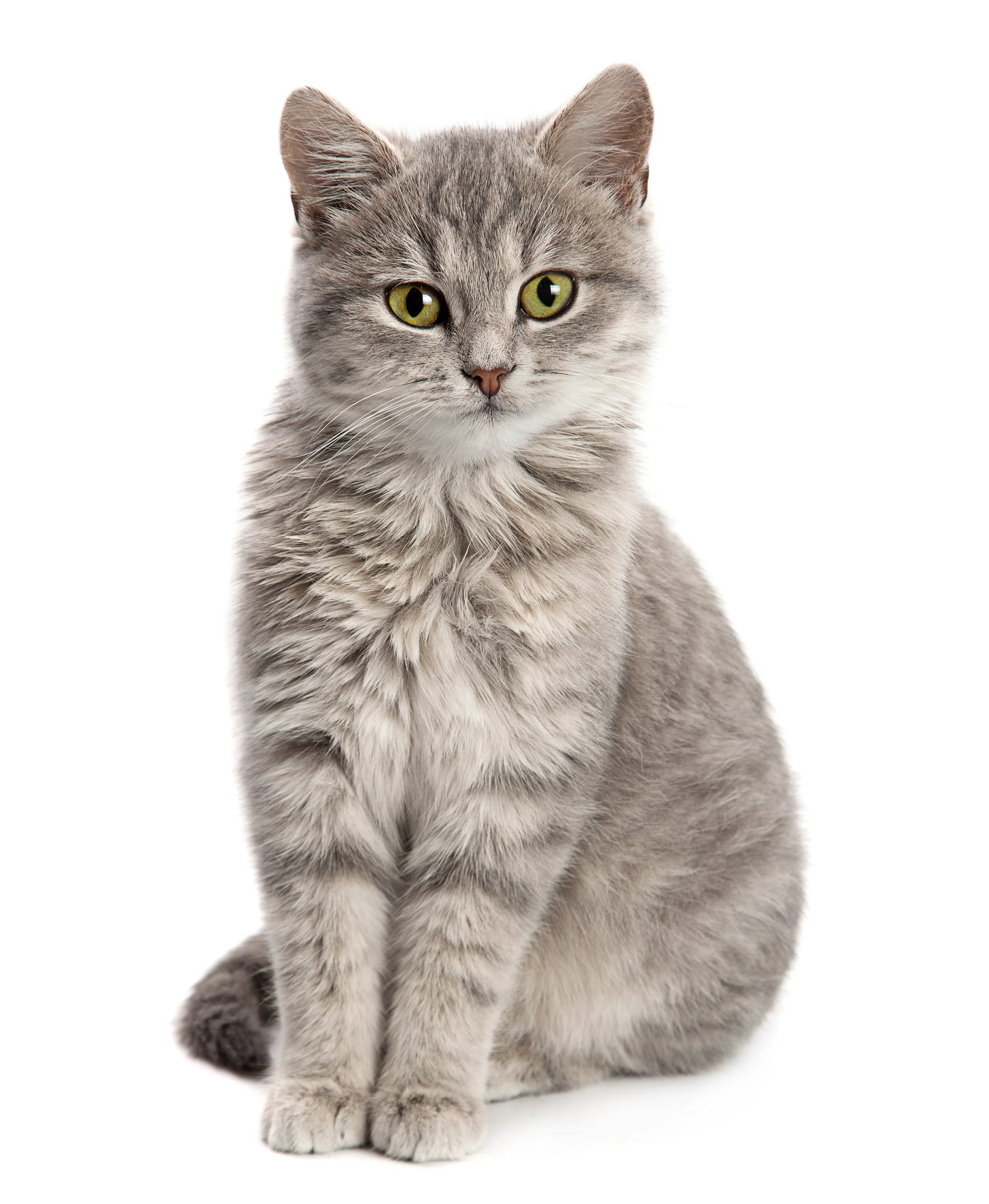
PARR Testing in Feline Gastrointestinal Disease: When Is It Truly Helpful?
Lymphoplasmacytic enteritis. Small cell lymphoma cannot be excluded. Before reaching for PARR to resolve that uncertainty, the more reliable fix is often sampling depth and distribution — not PCR. A practical guide to when clonality testing actually moves the needle in feline GI disease.
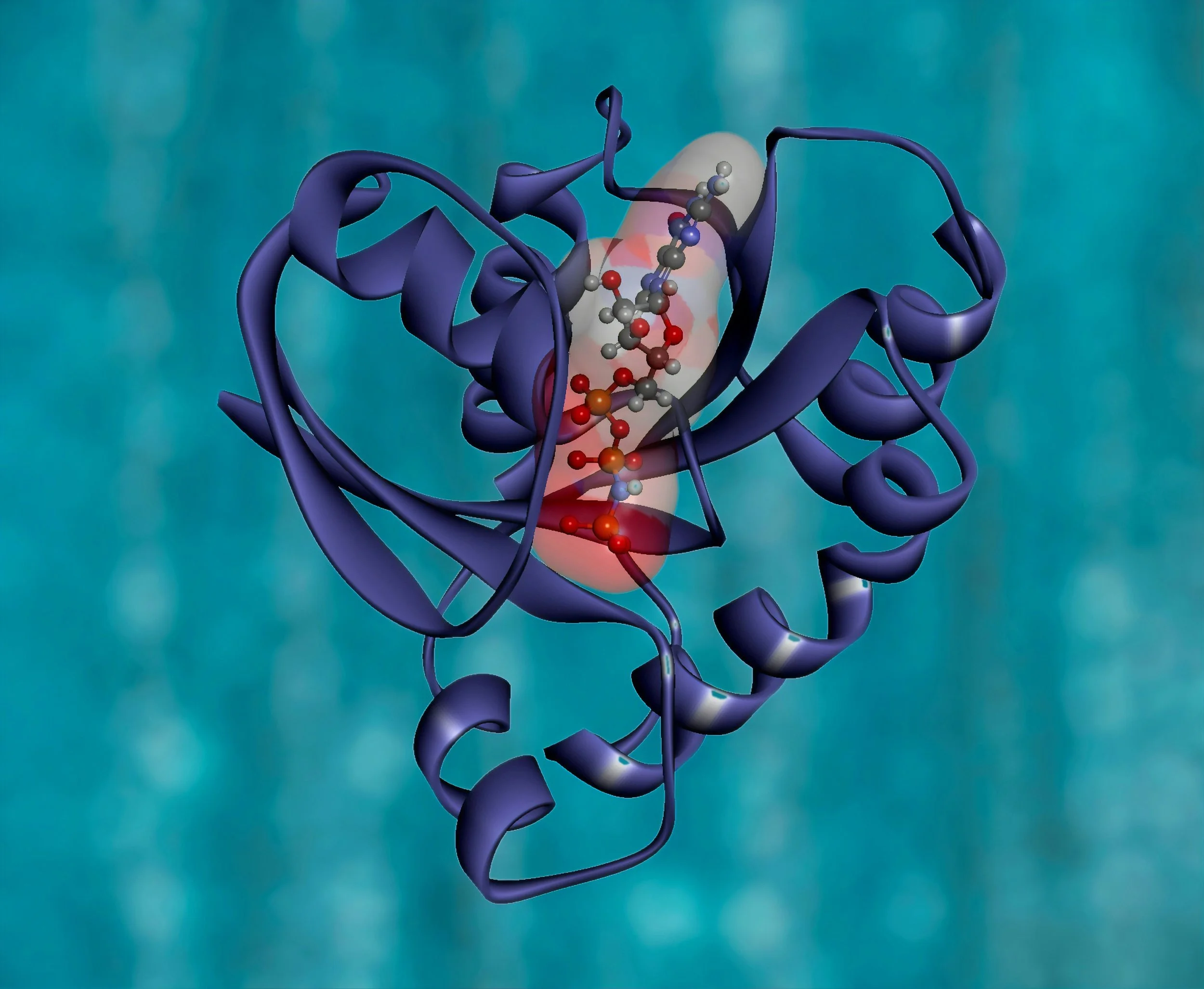
Epigenomics in Veterinary Cancer: What Sits Between the DNA and the Diagnosis
Genomics tells you the sequence. Proteomics tells you what's being made. Epigenomics tells you what's being allowed to happen — and what's being silenced. Here's what that means for veterinary cancer biology.
Proteomics in Veterinary Oncology: A Deeper Look at What Tumors Are Actually Doing
Genomics tells us what mutations a tumor carries. Proteomics tells us what the tumor is actually doing with them. A look at where proteomics stands in veterinary oncology today — and where it's going.

Liquid Biopsy and Circulating Tumor DNA: Where Veterinary Oncology Diagnostics Are Headed
Liquid biopsy is here. The question is no longer whether it has a role in veterinary oncology — it's understanding what that role is today and where it's going in the next few years.
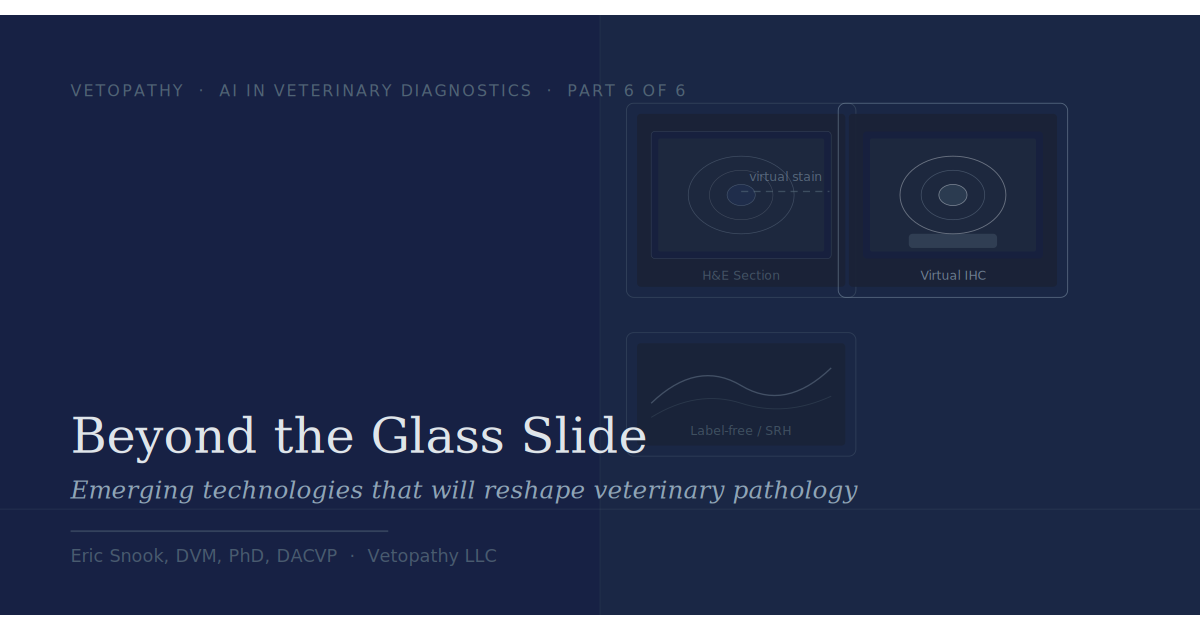
Beyond the Glass Slide: Emerging Technologies That Will Reshape Veterinary Pathology
The histopathology workflow has been essentially unchanged for decades. Two emerging technologies — virtual staining and label-free imaging — represent something genuinely different. Neither is ready for routine veterinary use yet. Both are worth understanding now.
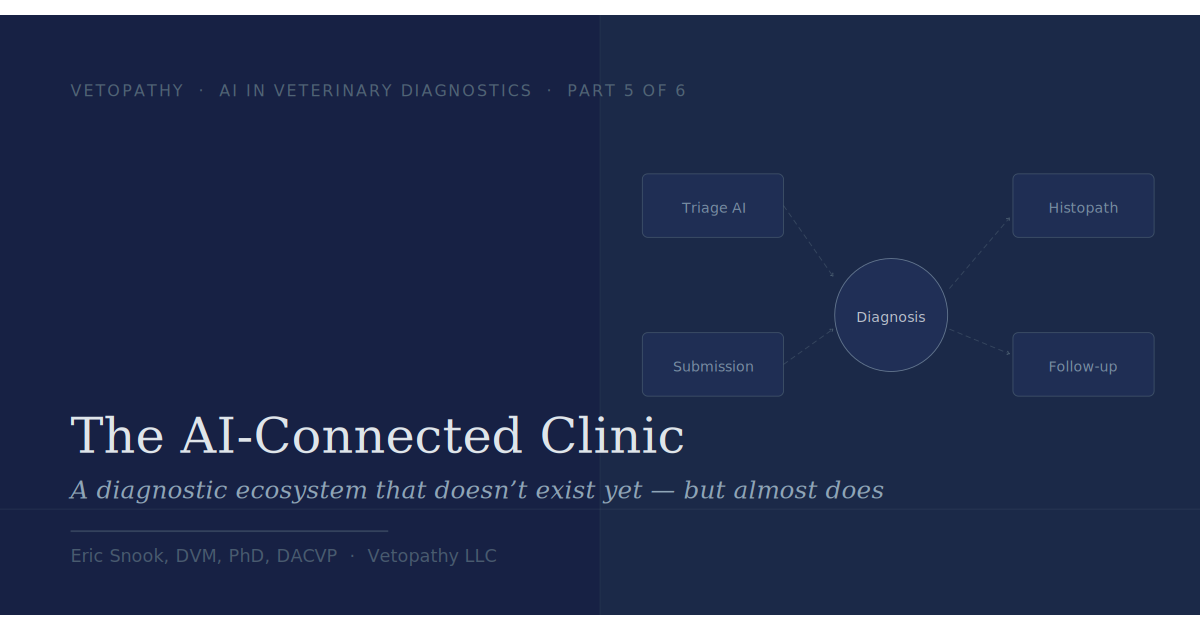
The AI-Connected Clinic: A Diagnostic Ecosystem That Doesn’t Exist Yet — But Almost Does
The individual AI tools reshaping veterinary diagnostics each solve a piece of the puzzle. The bigger opportunity — and the harder one — is connecting them. Here's what that could look like, why it matters, and what practices can do right now to build toward it.
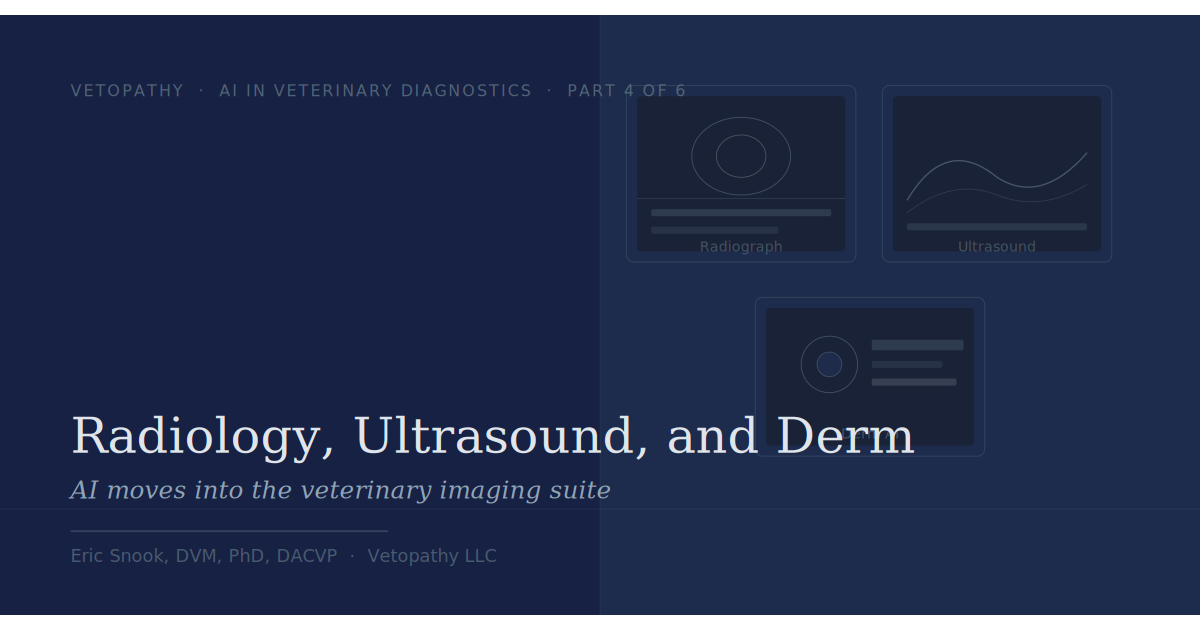
Radiology, Ultrasound, and Derm: AI Moves Into the Veterinary Imaging Suite
Imaging data has properties that make it a natural fit for AI. It's inherently digital, produced in large volumes, and involves the kind of spatial pattern recognition that machine learning handles well. This is why medical imaging was one of the first clinical areas where AI showed real promise — and why veterinary imaging is following a similar path, with a lag that reflects the smaller scale of the veterinary market rather than any fundamental barrier.
Computational Pathology: What AI Sees Under the Microscope — and What It Still Gets Wrong
Computational pathology is the application of digital image analysis and machine learning to tissue and cytology samples. It covers a wide range of tasks that differ significantly in how technically complex they are and how well they've been validated.
AI and the Diagnostic Sample: From Cytology Reads to Smarter Biopsy Selection
The diagnostic sample is where clinical impressions become something testable — and where a surprising amount of diagnostic information is lost before it ever reaches the lab. AI is beginning to change what gets sampled, how it's documented, and whether it gets submitted at all.
AI at the Point of Care
That is where artificial intelligence stands the most immediate chance of making a difference in veterinary medicine. Not in replacing the diagnostic expertise at the end of the pipeline, but in improving the quality of what enters it.
Flow Cytometry for Lymphoma Immunophenotyping in Dogs and Cats: An Underutilized Tool
…flow cytometry remains underutilized in general practice. The purpose of this post is to explain what it does, what it does not do, and when it should be part of your diagnostic plan.
NGS in Veterinary Oncology: What's Commercially Available Now and Where It's Headed
…next-generation sequencing (NGS) has arrived in veterinary medicine, but it remains in early clinical adoption, the available assays are almost exclusively validated for dogs, and these tools work best as an adjunct to histopathology rather than a replacement for it. This post offers an honest overview of where things stand today — what you can actually order, what the evidence shows, and where the field is likely headed.