
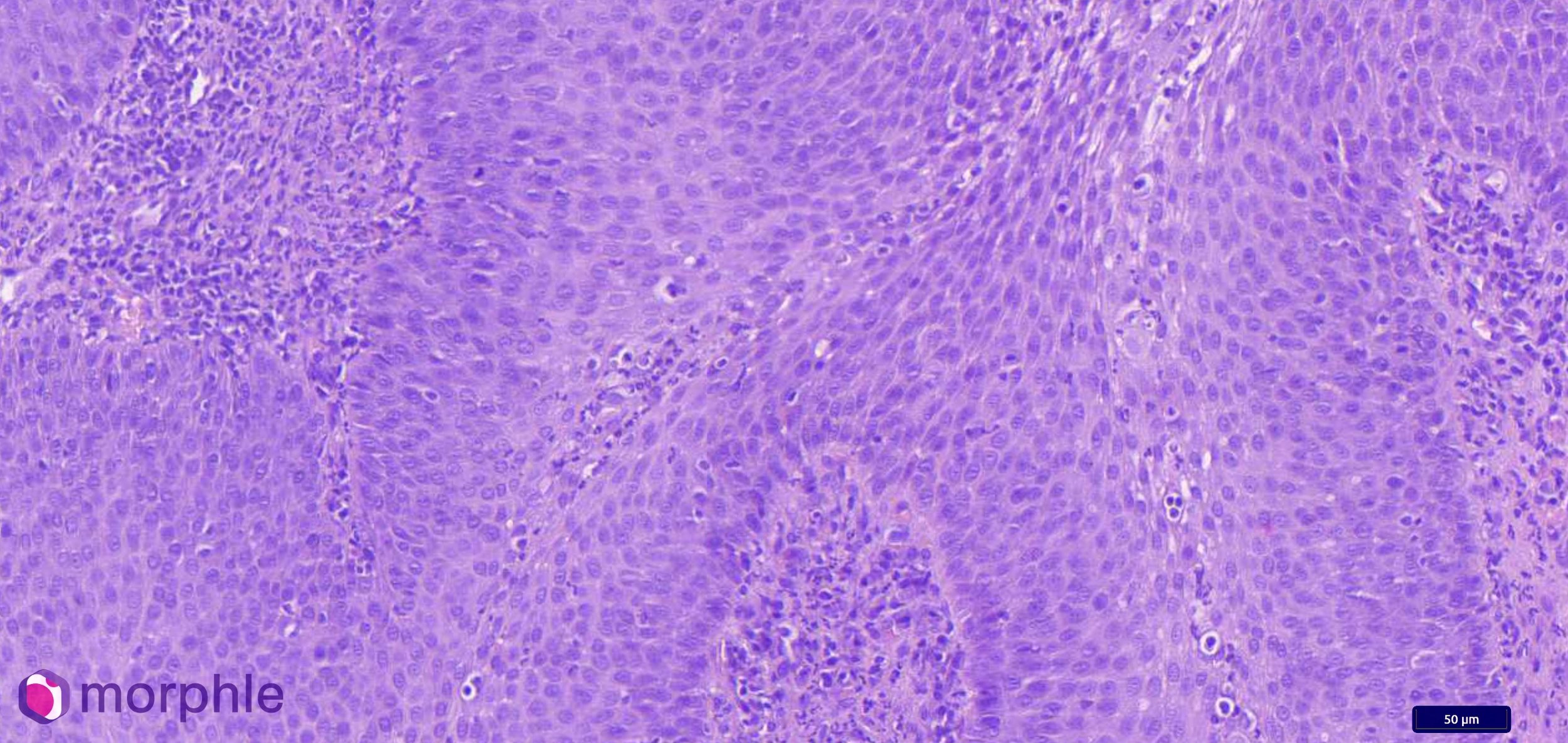
When CAA Isn't CAA: A Second Opinion Case of Oral Papillary Squamous Cell Carcinoma
The original diagnosis was acanthomatous ameloblastoma. The correct diagnosis was oral papillary squamous cell carcinoma. The surgical plan was the same — but the prognosis conversation, the staging workup, and the owner discussion were entirely different.
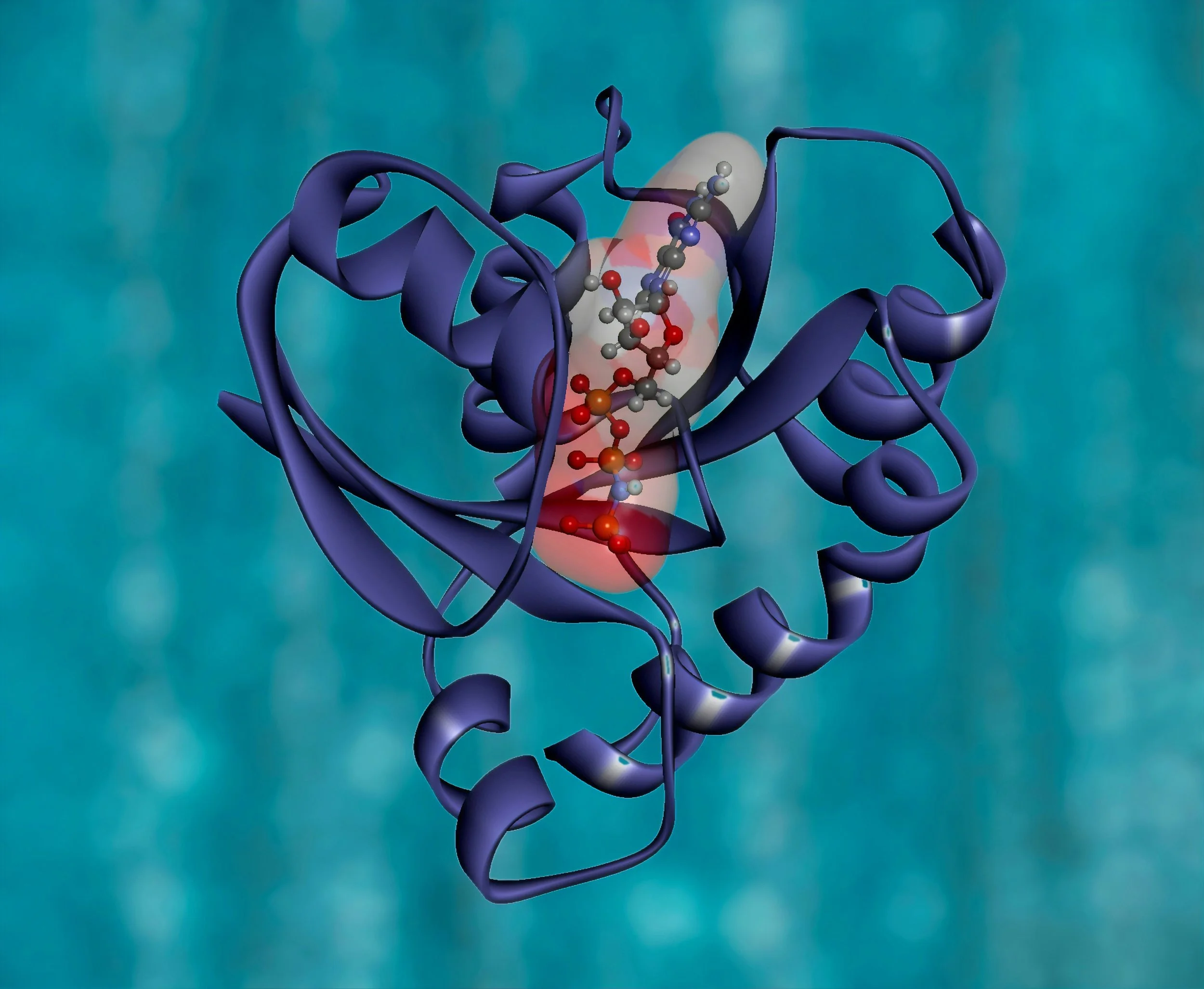
Epigenomics in Veterinary Cancer: What Sits Between the DNA and the Diagnosis
Genomics tells you the sequence. Proteomics tells you what's being made. Epigenomics tells you what's being allowed to happen — and what's being silenced. Here's what that means for veterinary cancer biology.
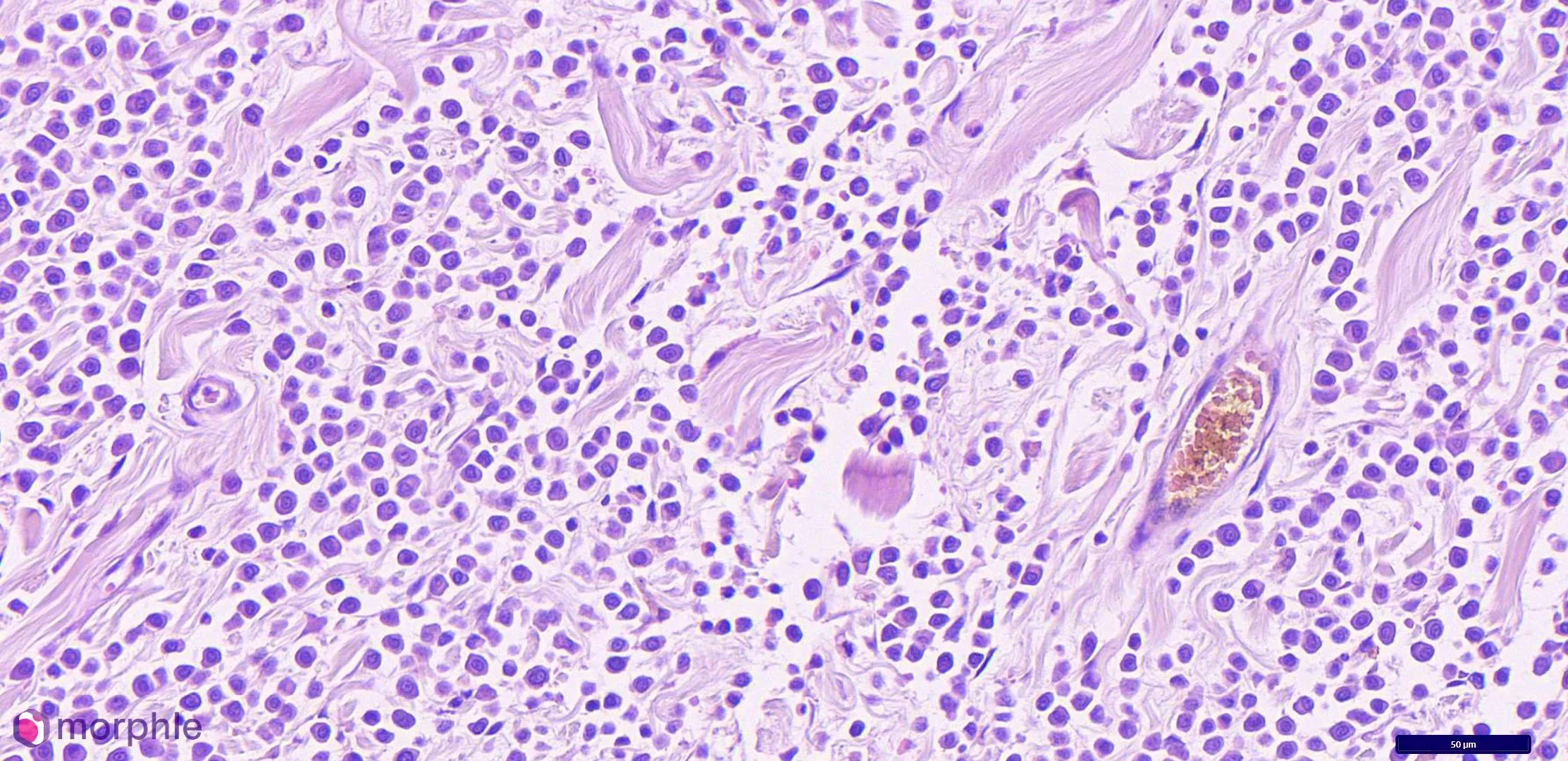
Canine Mast Cell Tumor Grading: Understanding the Two Systems and What Your Report Is Actually Telling You
Canine MCT grading has improved significantly since 1984. It is still imperfect. Grade I MCTs can metastasize. Kiupel low-grade tumors can behave aggressively. A plain-language breakdown of both systems — and where AI grading might take us next.
Proteomics in Veterinary Oncology: A Deeper Look at What Tumors Are Actually Doing
Genomics tells us what mutations a tumor carries. Proteomics tells us what the tumor is actually doing with them. A look at where proteomics stands in veterinary oncology today — and where it's going.
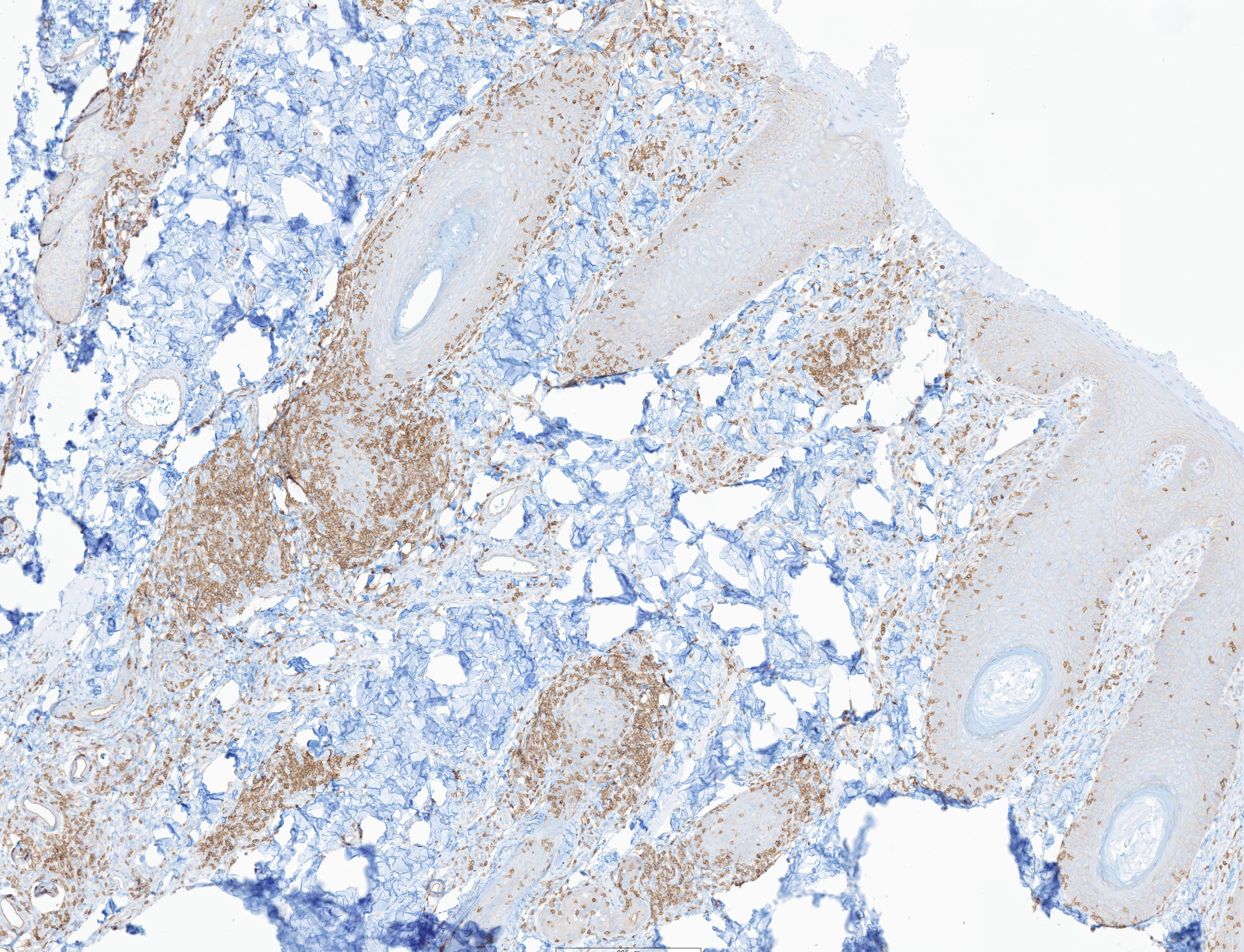
Special Stains vs. Immunohistochemistry: What They Are and When Your Pathologist Uses Each
When your pathology report recommends additional testing, it's either chemistry or antibodies — and the choice between them tells you a lot about what question the case is raising.
Acanthomatous Ameloblastoma: When the Margins Tell the Real Story
Canine acanthomatous ameloblastoma doesn't metastasize. The entire prognosis lives in the surgical margin — and this case shows exactly why that number needs context to mean anything.
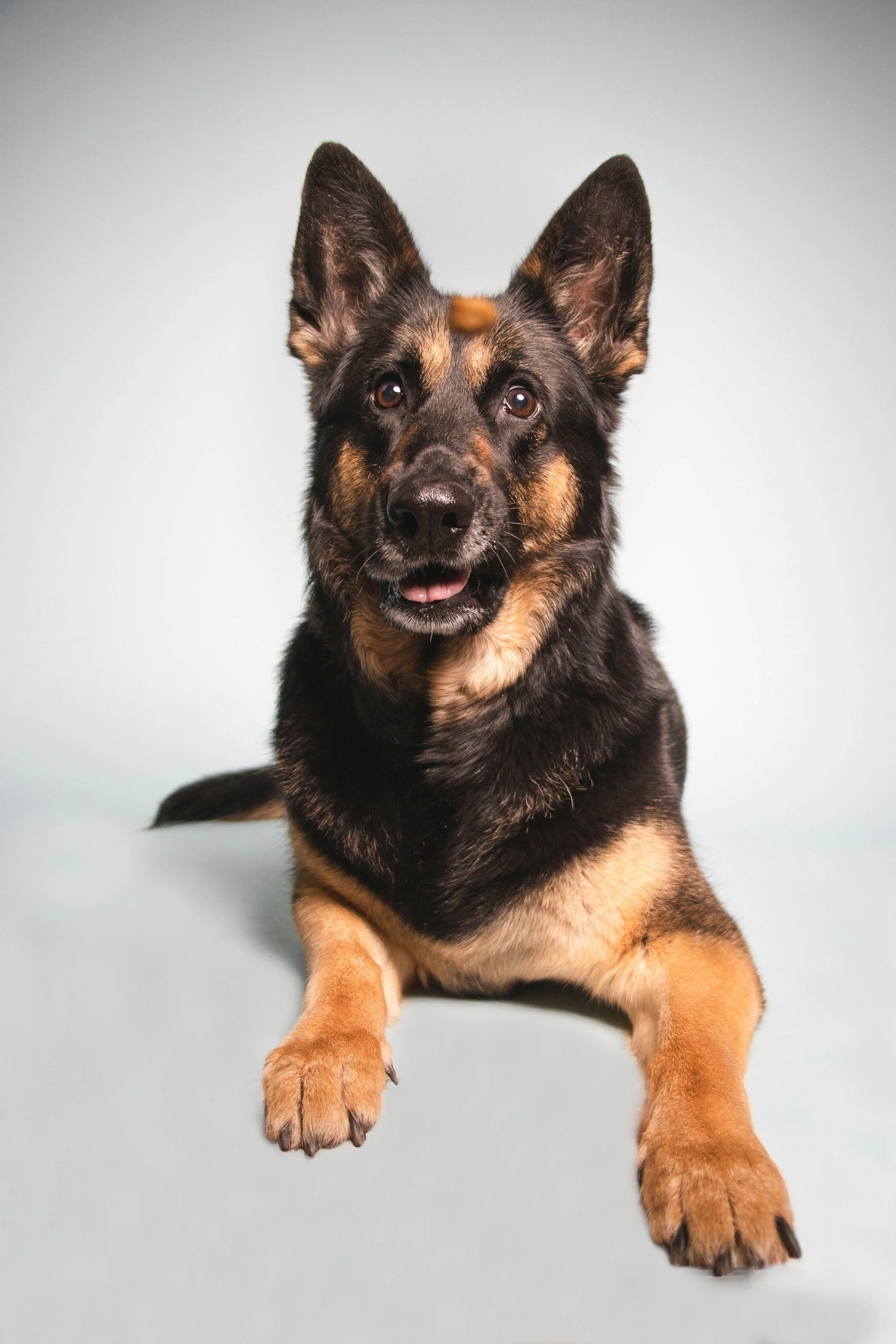
Nodular Dermatofibrosis and Renal Cystadenocarcinoma: Recognizing a Skin Lesion That Points Inward
Multiple firm nodules on a German Shepherd's legs have a differential list. Nodular dermatofibrosis should be on it — because the diagnosis it points to is bilateral renal cystadenocarcinoma

Liquid Biopsy and Circulating Tumor DNA: Where Veterinary Oncology Diagnostics Are Headed
Liquid biopsy is here. The question is no longer whether it has a role in veterinary oncology — it's understanding what that role is today and where it's going in the next few years.

NGS in Veterinary Oncology: What's Commercially Available Now and Where It's Headed
…next-generation sequencing (NGS) has arrived in veterinary medicine, but it remains in early clinical adoption, the available assays are almost exclusively validated for dogs, and these tools work best as an adjunct to histopathology rather than a replacement for it. This post offers an honest overview of where things stand today — what you can actually order, what the evidence shows, and where the field is likely headed.