

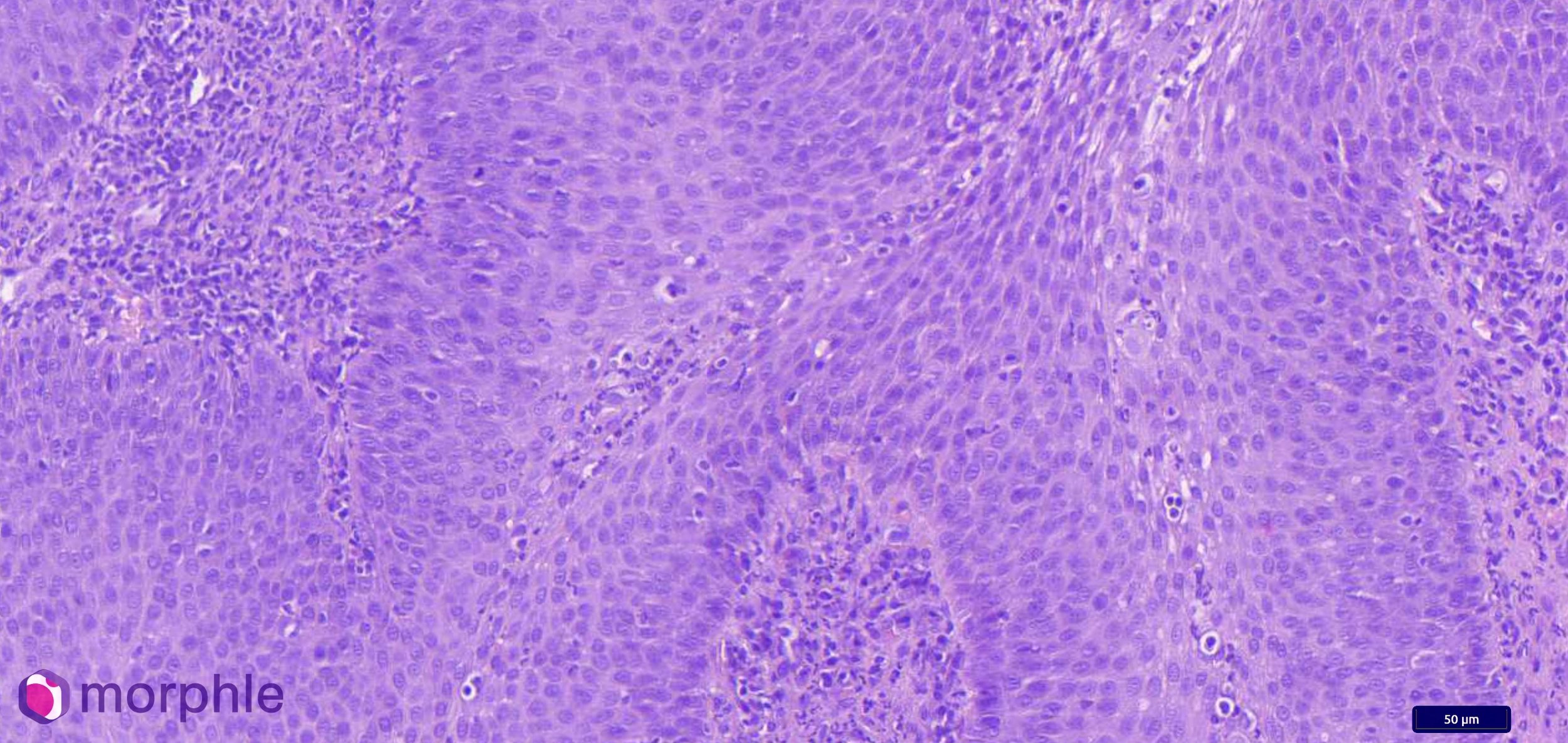
When CAA Isn't CAA: A Second Opinion Case of Oral Papillary Squamous Cell Carcinoma
The original diagnosis was acanthomatous ameloblastoma. The correct diagnosis was oral papillary squamous cell carcinoma. The surgical plan was the same — but the prognosis conversation, the staging workup, and the owner discussion were entirely different.
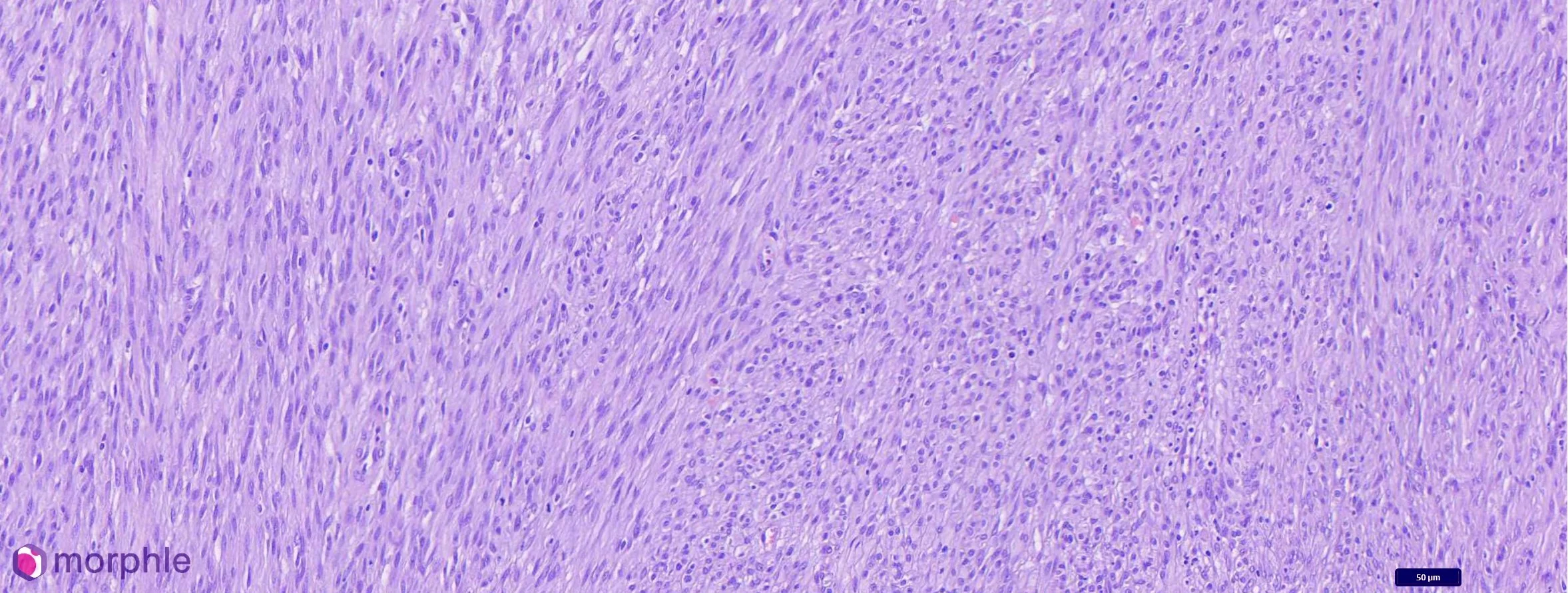
Soft Tissue Sarcomas: What the Category Includes, What the Grade Means, and Why Subtype Often Cannot Be Determined
Soft tissue sarcoma isn't a single diagnosis — it's a category that includes PNST, fibrosarcoma, leiomyosarcoma, myxosarcoma, and more. Here's what the category includes, what the grade actually measures, and why your report may not name a specific subtype.

Tired of Hedging in Your Pathology Reports? Here's What to Do About It
If your pathology reports frequently say 'consistent with' or 'cannot exclude,' the tissue isn't the problem. The context is. Here's what to include to get a more definitive answer.
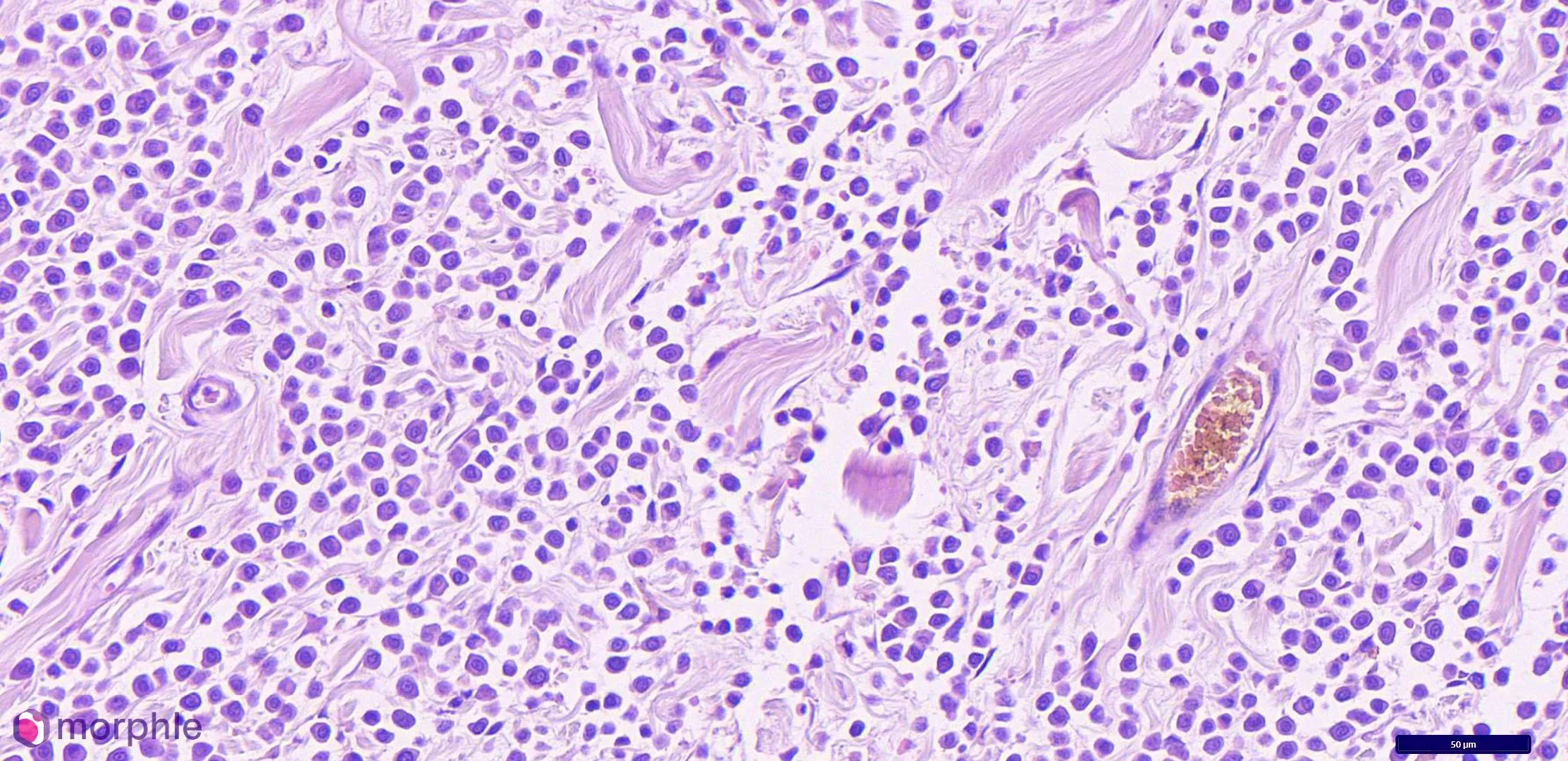
Canine Mast Cell Tumor Grading: Understanding the Two Systems and What Your Report Is Actually Telling You
Canine MCT grading has improved significantly since 1984. It is still imperfect. Grade I MCTs can metastasize. Kiupel low-grade tumors can behave aggressively. A plain-language breakdown of both systems — and where AI grading might take us next.
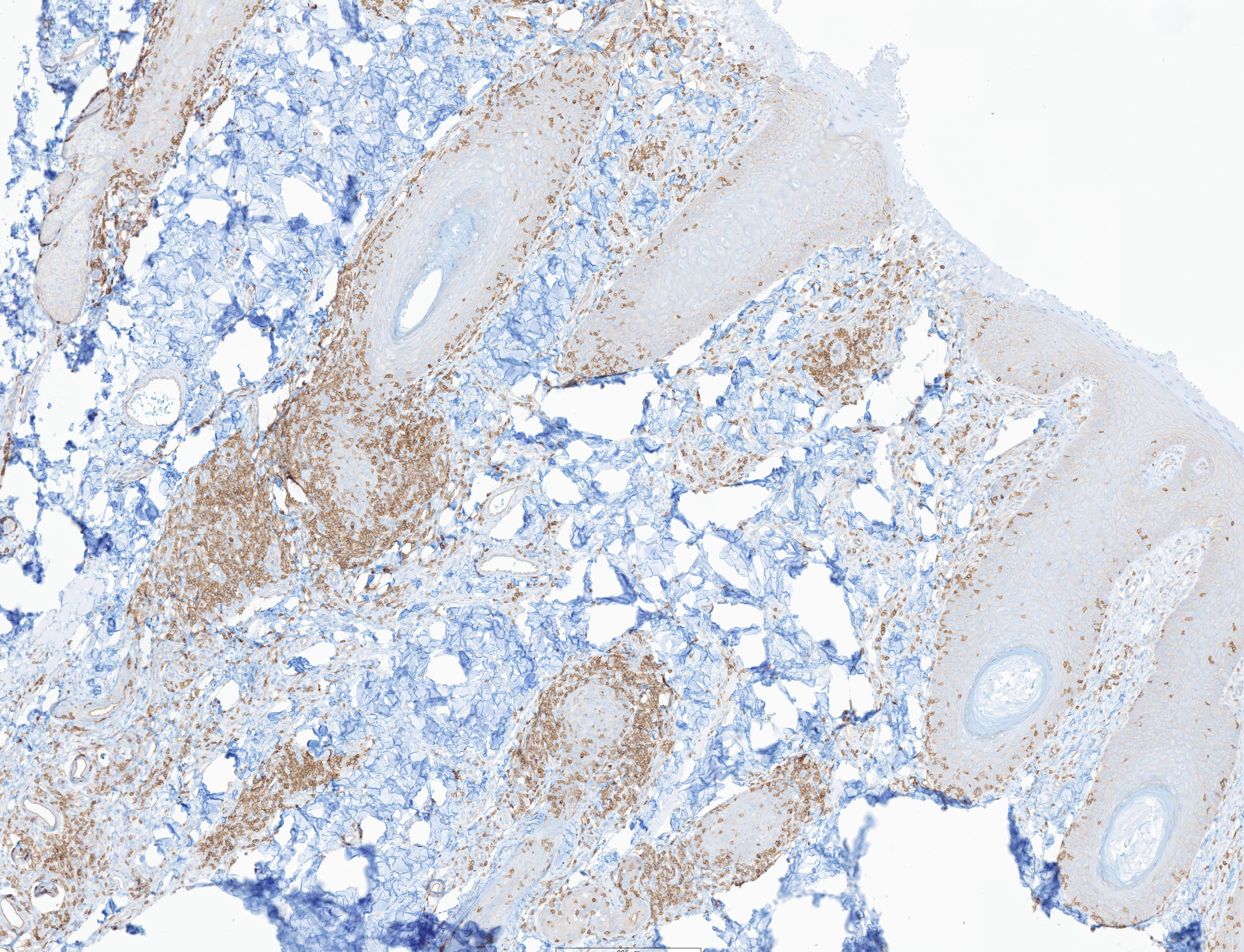
Special Stains vs. Immunohistochemistry: What They Are and When Your Pathologist Uses Each
When your pathology report recommends additional testing, it's either chemistry or antibodies — and the choice between them tells you a lot about what question the case is raising.

Acanthomatous Ameloblastoma: When the Margins Tell the Real Story
Canine acanthomatous ameloblastoma doesn't metastasize. The entire prognosis lives in the surgical margin — and this case shows exactly why that number needs context to mean anything.
Necropsy Submissions: How to Maximize Diagnostic Yield
A step-by-step guide for veterinarians performing necropsies: how to handle carcasses, select and fix tissue, collect ancillary samples, and document findings so the histopathology report is as complete as possible
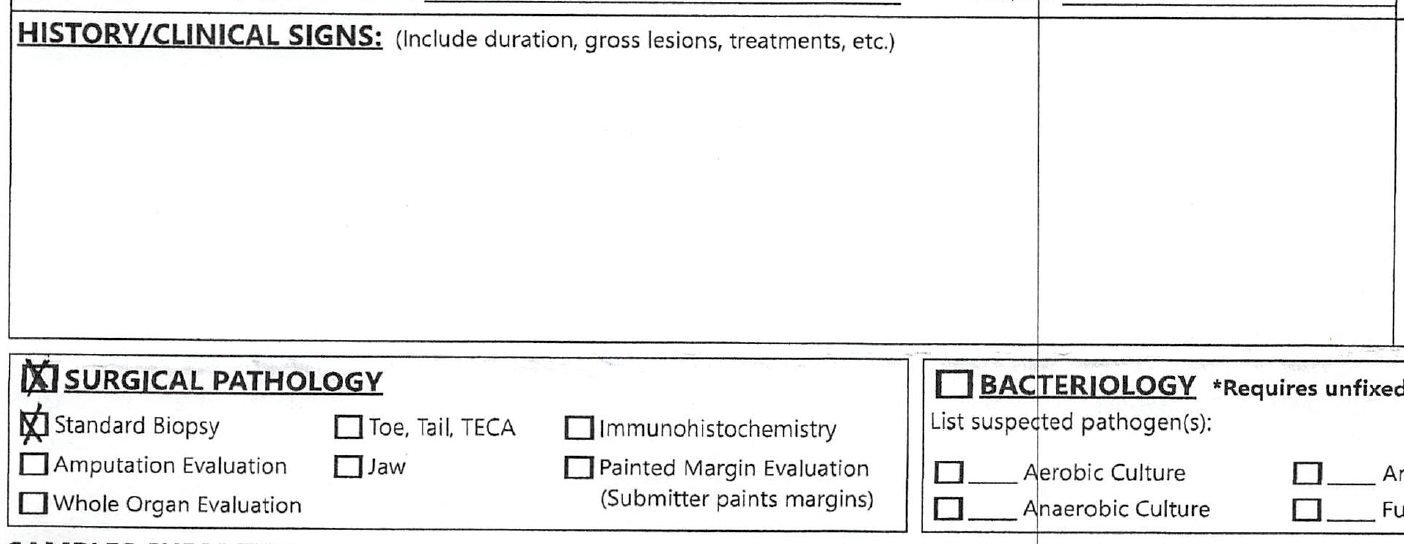

Why Skin Punch Biopsies Come Back “Non-Diagnostic” — And How to Improve Your Diagnostic Yield
Inflammatory and early neoplastic processes can be patchy.
Submitting a single punch biopsy for generalized dermatologic disease significantly reduces diagnostic confidence.