


PARR Testing in Feline Gastrointestinal Disease: When Is It Truly Helpful?
Lymphoplasmacytic enteritis. Small cell lymphoma cannot be excluded. Before reaching for PARR to resolve that uncertainty, the more reliable fix is often sampling depth and distribution — not PCR. A practical guide to when clonality testing actually moves the needle in feline GI disease.
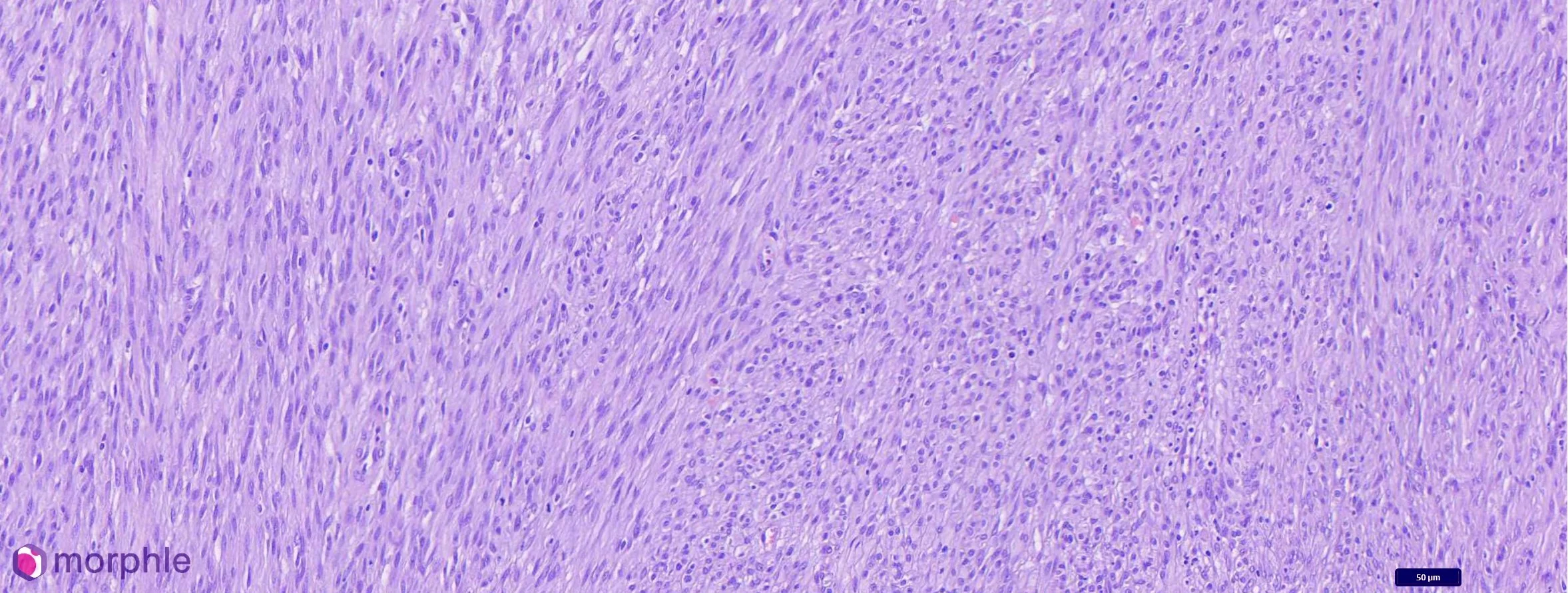
Soft Tissue Sarcomas: What the Category Includes, What the Grade Means, and Why Subtype Often Cannot Be Determined
Soft tissue sarcoma isn't a single diagnosis — it's a category that includes PNST, fibrosarcoma, leiomyosarcoma, myxosarcoma, and more. Here's what the category includes, what the grade actually measures, and why your report may not name a specific subtype.
Epigenomics in Veterinary Cancer: What Sits Between the DNA and the Diagnosis
Genomics tells you the sequence. Proteomics tells you what's being made. Epigenomics tells you what's being allowed to happen — and what's being silenced. Here's what that means for veterinary cancer biology.
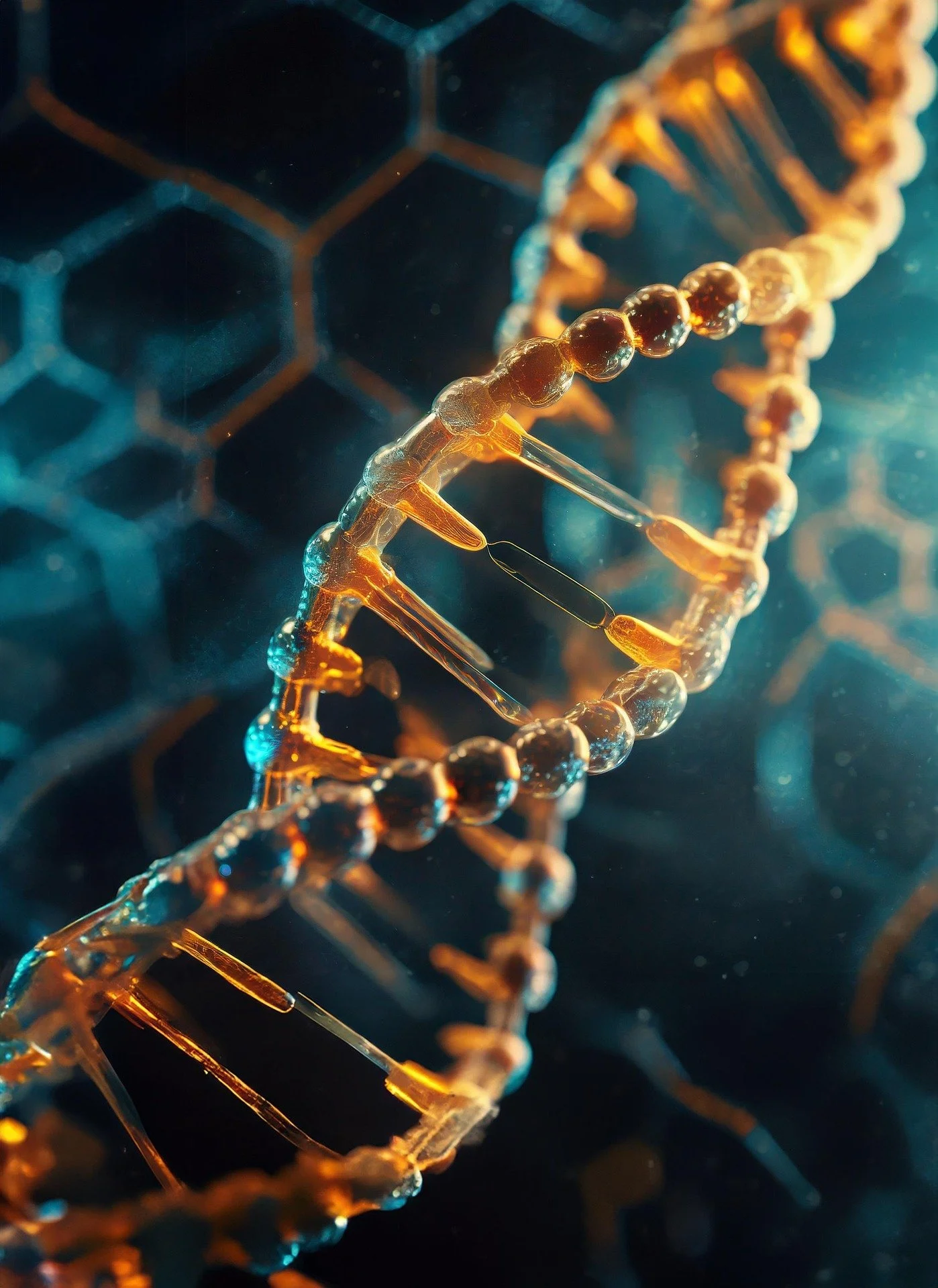
Proteomics in Veterinary Oncology: A Deeper Look at What Tumors Are Actually Doing
Genomics tells us what mutations a tumor carries. Proteomics tells us what the tumor is actually doing with them. A look at where proteomics stands in veterinary oncology today — and where it's going.
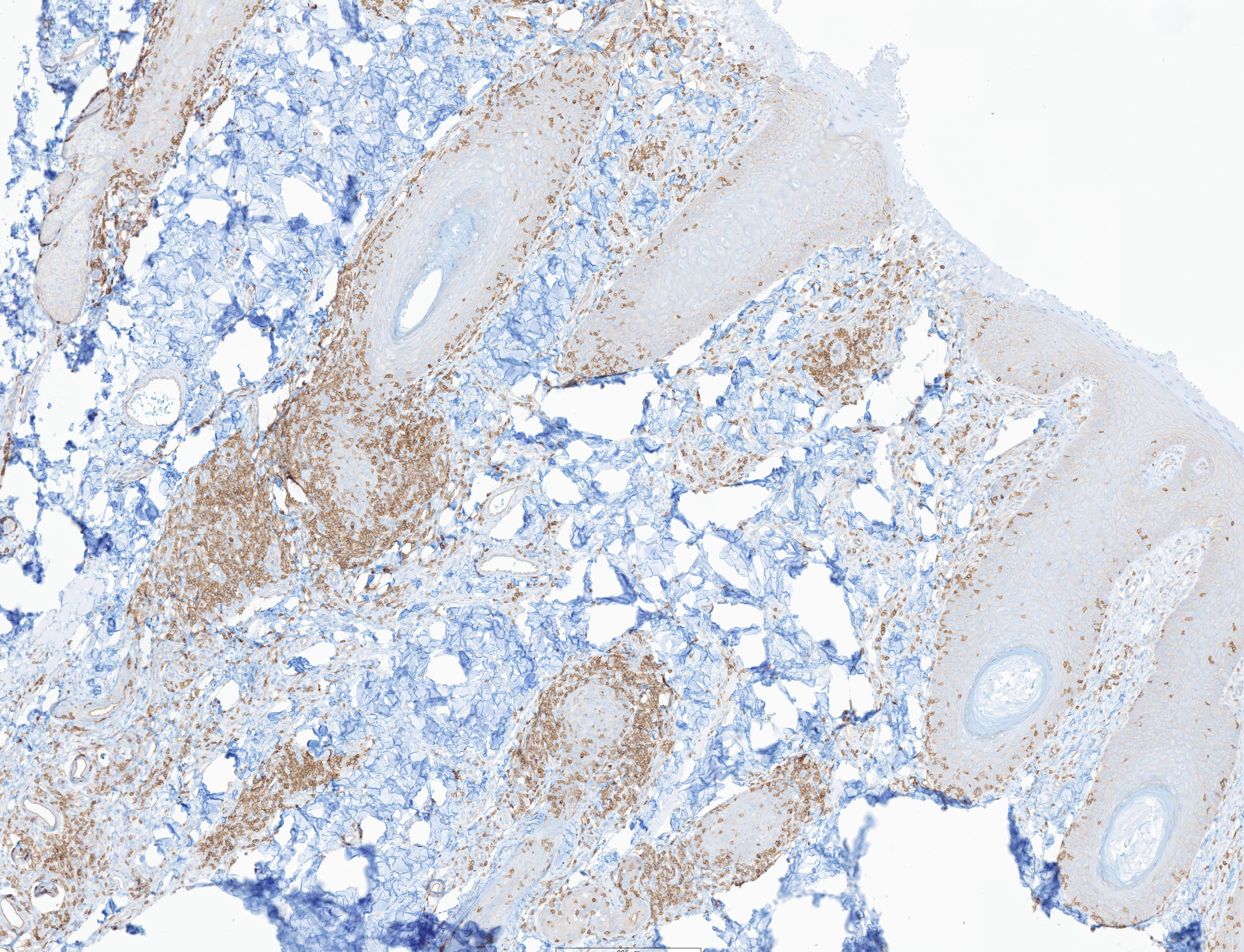
Special Stains vs. Immunohistochemistry: What They Are and When Your Pathologist Uses Each
When your pathology report recommends additional testing, it's either chemistry or antibodies — and the choice between them tells you a lot about what question the case is raising.

Liquid Biopsy and Circulating Tumor DNA: Where Veterinary Oncology Diagnostics Are Headed
Liquid biopsy is here. The question is no longer whether it has a role in veterinary oncology — it's understanding what that role is today and where it's going in the next few years.

Mammary Carcinoma in a Male Cat: A Diagnosis Worth Not Missing
Male cats can develop mammary carcinoma. The diagnosis should be on the differential list for any mammary region mass in a male cat, regardless of neuter status. Given that the vast majority of feline mammary tumors are malignant, histopathology is not optional — cytology alone is unreliable for distinguishing benign from malignant mammary lesions in cats.

Feline Injection-Site Sarcoma: Revisiting Pathogenesis in the Light of Current Evidence
And yet, more than three decades later, the pathogenesis of FISS remains incompletely understood. The broad strokes are established: chronic local inflammation at an injection site appears to trigger malignant transformation of fibroblasts or myofibroblasts in genetically susceptible cats. But the molecular details — what drives that transformation, why only certain cats develop it, and which specific pathways sustain tumor growth — are still being worked out.