

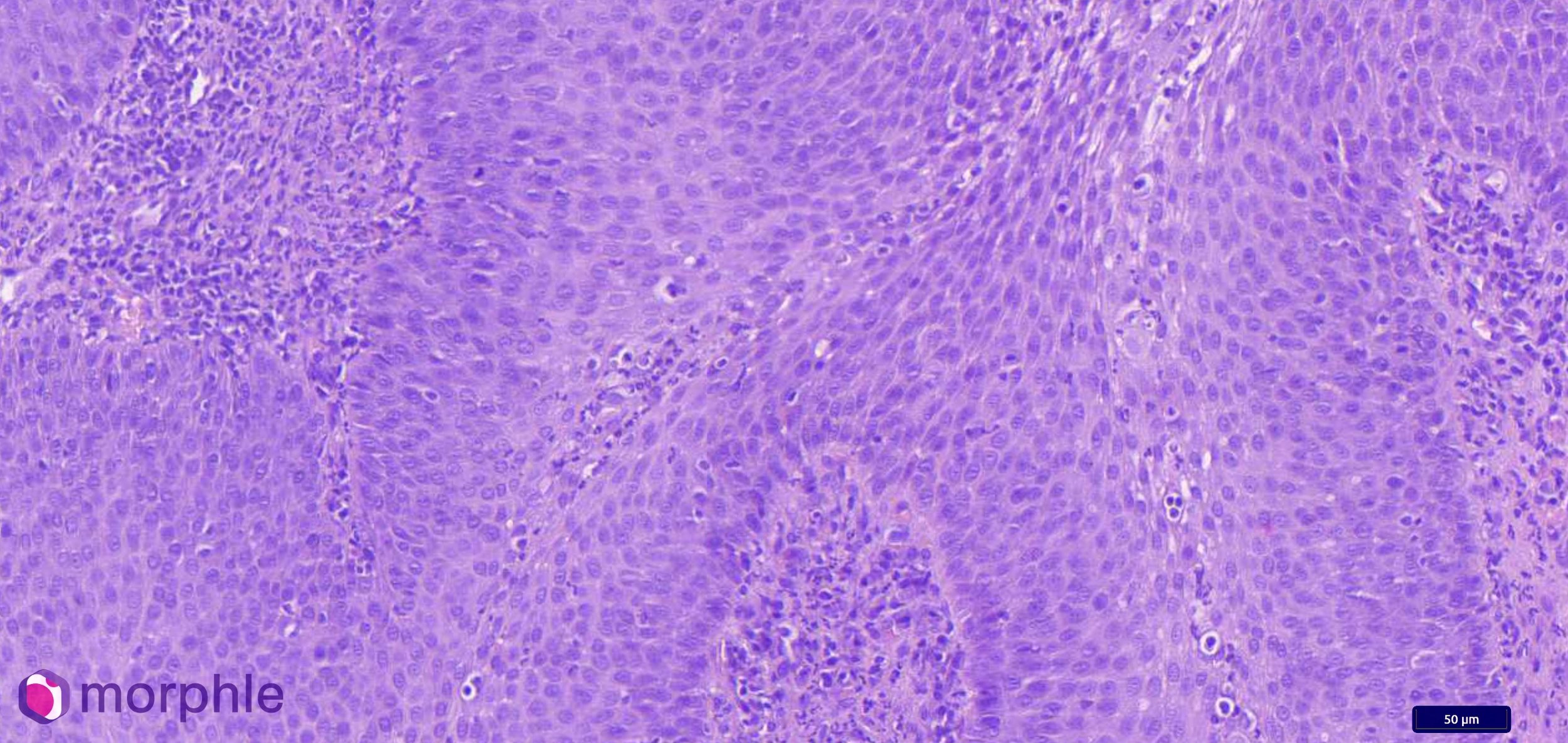
When CAA Isn't CAA: A Second Opinion Case of Oral Papillary Squamous Cell Carcinoma
The original diagnosis was acanthomatous ameloblastoma. The correct diagnosis was oral papillary squamous cell carcinoma. The surgical plan was the same — but the prognosis conversation, the staging workup, and the owner discussion were entirely different.
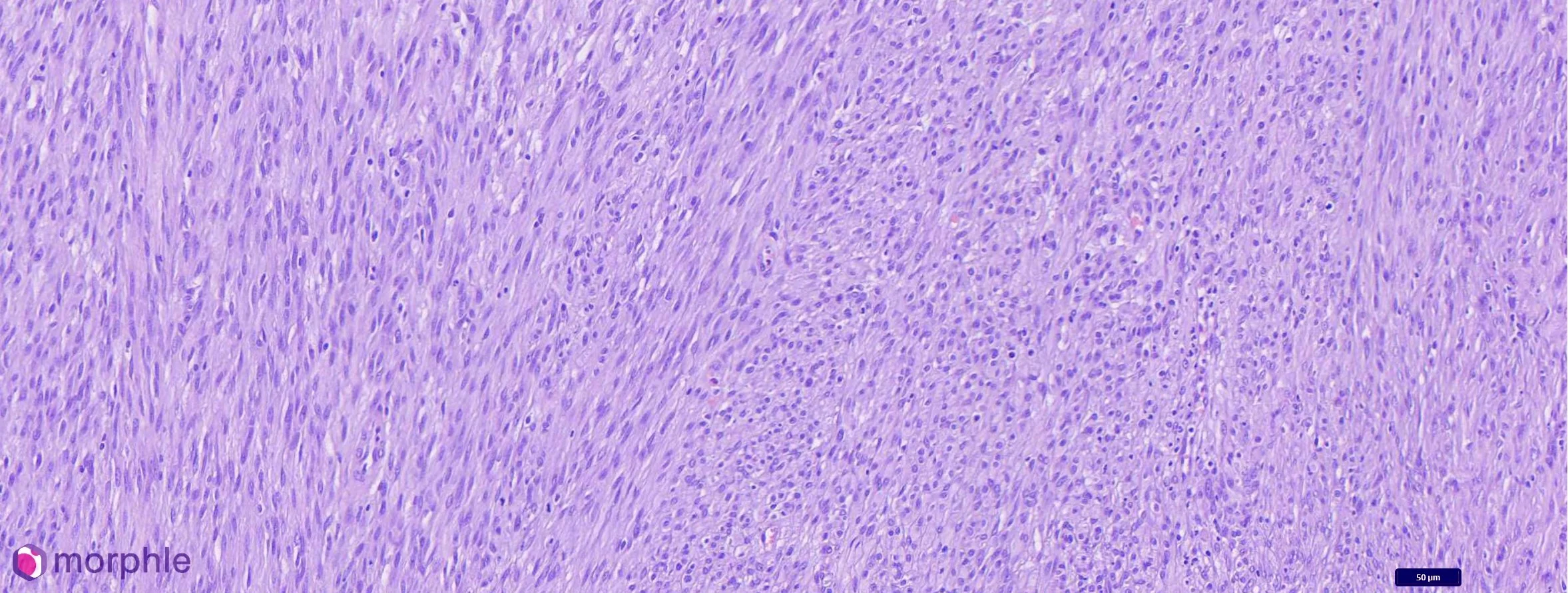
Soft Tissue Sarcomas: What the Category Includes, What the Grade Means, and Why Subtype Often Cannot Be Determined
Soft tissue sarcoma isn't a single diagnosis — it's a category that includes PNST, fibrosarcoma, leiomyosarcoma, myxosarcoma, and more. Here's what the category includes, what the grade actually measures, and why your report may not name a specific subtype.
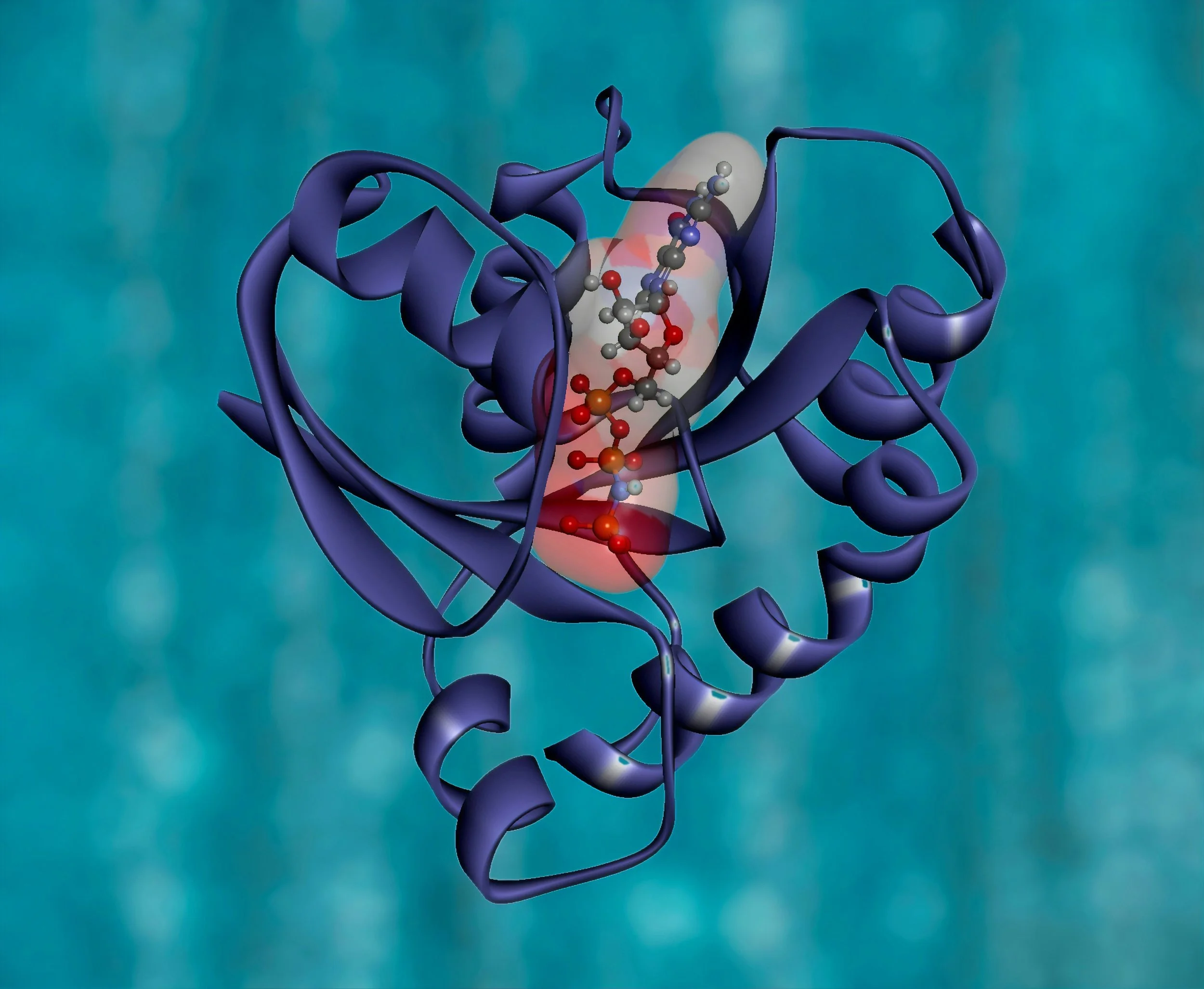
Epigenomics in Veterinary Cancer: What Sits Between the DNA and the Diagnosis
Genomics tells you the sequence. Proteomics tells you what's being made. Epigenomics tells you what's being allowed to happen — and what's being silenced. Here's what that means for veterinary cancer biology.
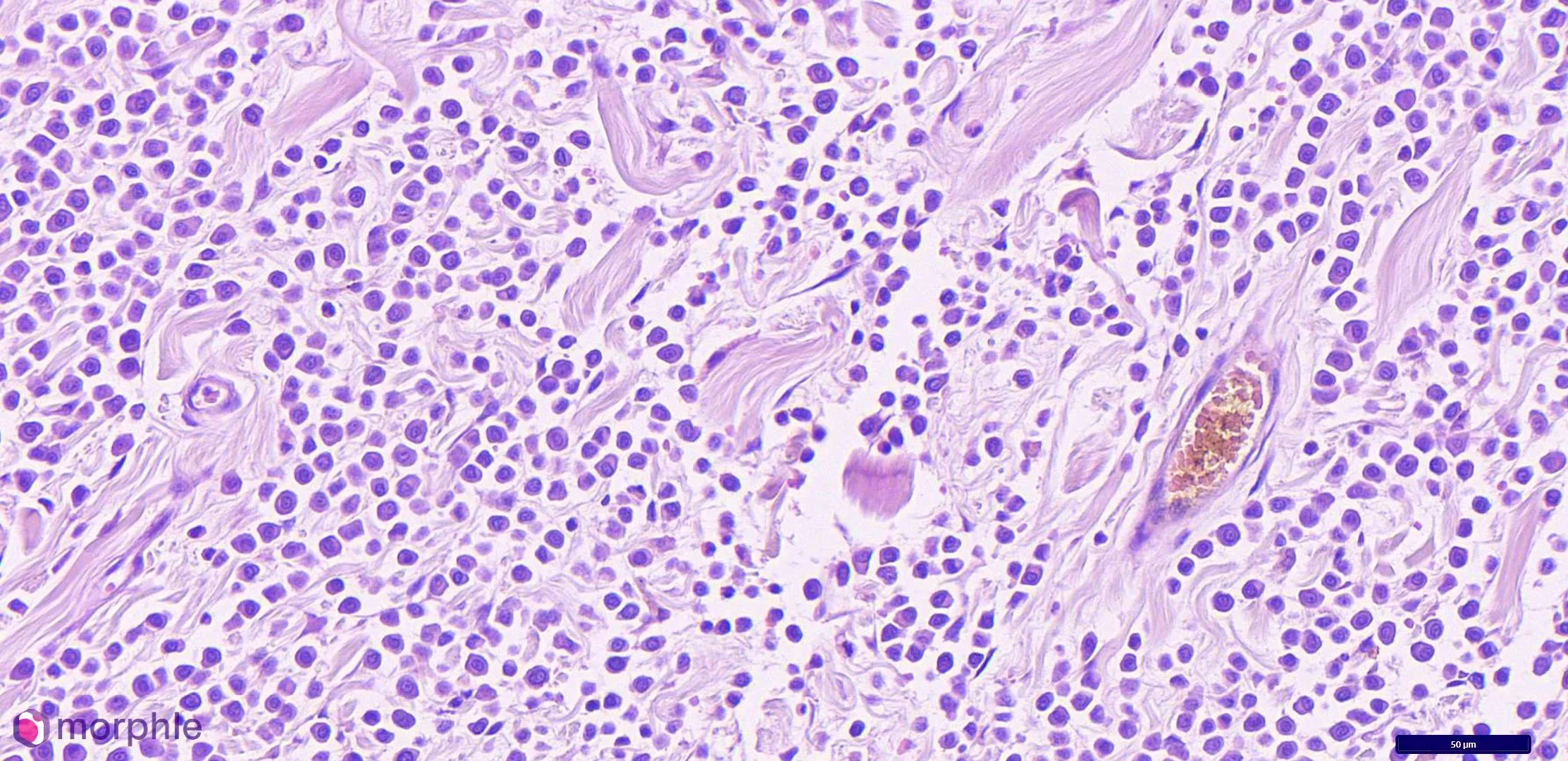
Canine Mast Cell Tumor Grading: Understanding the Two Systems and What Your Report Is Actually Telling You
Canine MCT grading has improved significantly since 1984. It is still imperfect. Grade I MCTs can metastasize. Kiupel low-grade tumors can behave aggressively. A plain-language breakdown of both systems — and where AI grading might take us next.

Proteomics in Veterinary Oncology: A Deeper Look at What Tumors Are Actually Doing
Genomics tells us what mutations a tumor carries. Proteomics tells us what the tumor is actually doing with them. A look at where proteomics stands in veterinary oncology today — and where it's going.
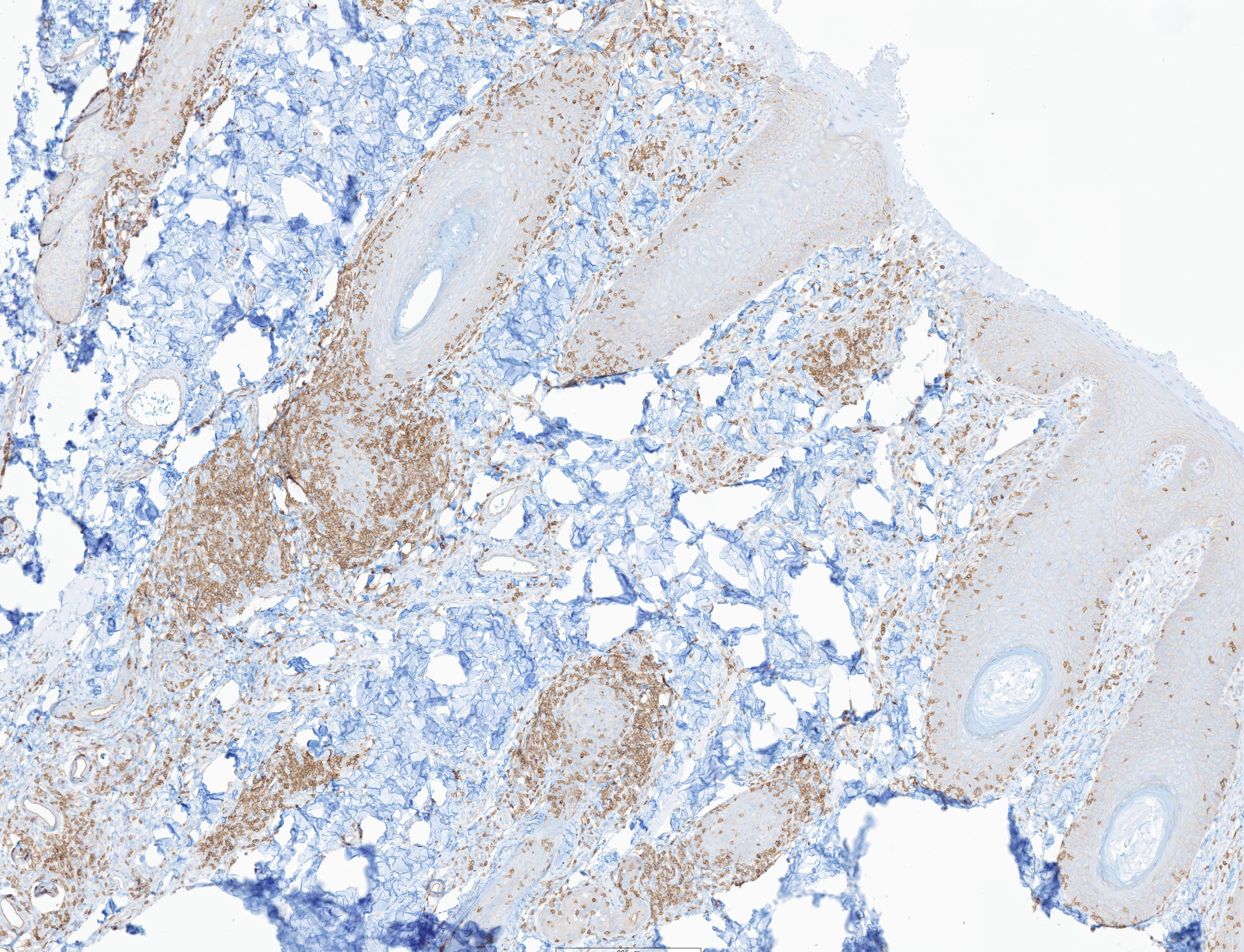
Special Stains vs. Immunohistochemistry: What They Are and When Your Pathologist Uses Each
When your pathology report recommends additional testing, it's either chemistry or antibodies — and the choice between them tells you a lot about what question the case is raising.

Acanthomatous Ameloblastoma: When the Margins Tell the Real Story
Canine acanthomatous ameloblastoma doesn't metastasize. The entire prognosis lives in the surgical margin — and this case shows exactly why that number needs context to mean anything.

Nodular Dermatofibrosis and Renal Cystadenocarcinoma: Recognizing a Skin Lesion That Points Inward
Multiple firm nodules on a German Shepherd's legs have a differential list. Nodular dermatofibrosis should be on it — because the diagnosis it points to is bilateral renal cystadenocarcinoma

Liquid Biopsy and Circulating Tumor DNA: Where Veterinary Oncology Diagnostics Are Headed
Liquid biopsy is here. The question is no longer whether it has a role in veterinary oncology — it's understanding what that role is today and where it's going in the next few years.